Homemade Elderflower Gin: Easy 3-ingredient recipe
Every spring, when the hedges turn white and smell like honey, I grab my basket and head outside. Making a batch of Elderflower Gin is a yearly tradition for me. To me, that first bottle means summer has officially started.
If you have never made your own flavored gin, this is the best recipe to try first. It is incredibly easy. Most home-brewing projects take weeks of waiting and lots of fancy equipment, but this one is ready in just a day and takes very little work.
The flavor of homemade gin is much better than the bottles you buy at the store. Shop-bought versions are often too sweet and sugary, but making it yourself keeps the flavor fresh and floral. It tastes amazing with tonic and a few frozen strawberries. Plus, it feels great to tell your friends, “I picked the flowers and made this myself!”

Before You Start: The Golden Rules of Elderflower
Timing is Everything: Forage for elderflowers on a dry, sunny morning when the pollen is at its peak. Avoid picking after rain, as the flavor will be washed away.
The “Sniff” Test: If the flowers smell slightly like cat urine, they are past their best. Look for creamy-white blossoms that smell sweet and floral.
Cleanliness: Do not wash the flowers! You will wash away the wild yeast and flavorful pollen. Instead, give them a vigorous shake to dislodge any tiny insects.
MORE ELDERFLOWER RECIPES
- Elderflower Tincture – Easy Homemade Recipe & Usage >>
- Elderflower Cordial – Easy recipe without citric acid >>
Equipment List (What You’ll Need)
You don’t need anything fancy, but having these ready makes the job mess-free:
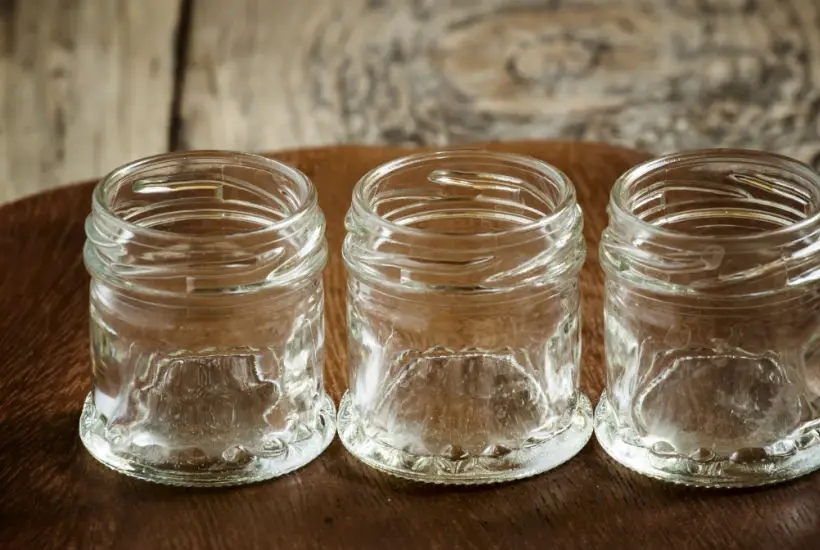
A 1-litre wide-mouth jar: (Like a Kilner or Mason jar). A wide top makes it much easier to get the flowers in and out.
A fine-mesh sieve: To catch the flowers.
A funnel: To help you pour the gin back into the bottle without spilling a drop.
A clean bottle: To store your finished drink.
FORAGING RECIPES
When and Where to Forage Elderflowers
Finding the right flowers is the most important part of the recipe!
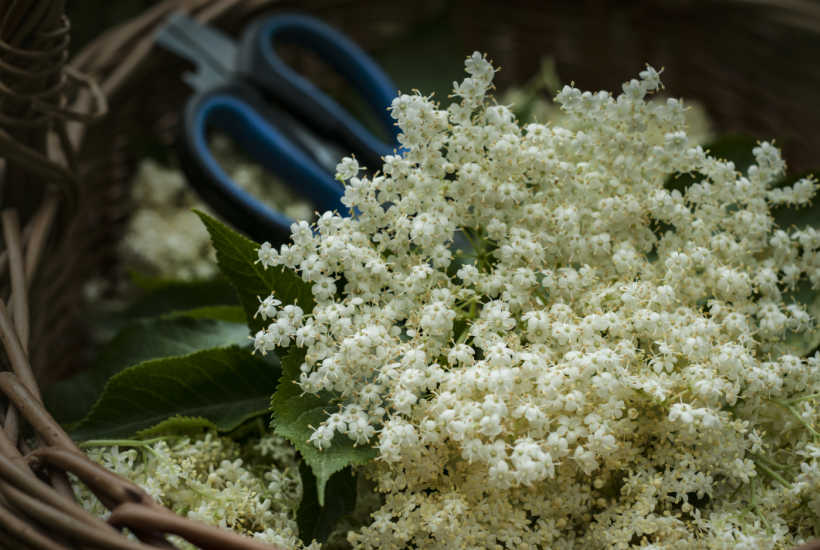
Where to look: Look for Elder trees in parks, hedgerows, or woodlands. Avoid trees right next to busy roads because the flowers can be covered in dust and car fumes.
The best time: Pick your flowers on a dry, sunny morning. This is when the flowers have the most pollen, which gives the gin its amazing flavor and smell.
Check the color: Only pick flowers that are creamy-white. If they are turning brown or falling off, they are too old and won’t taste good.
MORE ELDERFLOWER RECIPES

Ingredients
- Gin: Any brand will work fine.
- Elderflower heads: Trim the stalks
- White sugar: Use more if you like it sweet, or less if you don’t.
Top Tip: Don’t wash the flowers! Water washes away the flavor. Just give them a good shake to get rid of any tiny bugs.
How to Make It
- Fill the Jar: Put your elderflower heads into a clean 1-litre glass jar. Pour the gin over them until the jar is full.
- Wait a Little: This is the most important part. Leave the flowers in the gin for just 1 day. If you leave them too long, the gin will start to taste bitter.
- Strain: Pour the gin through a sieve or a piece of cloth to remove all the flowers.
- Add Sugar: Stir in your sugar until it has completely dissolved.
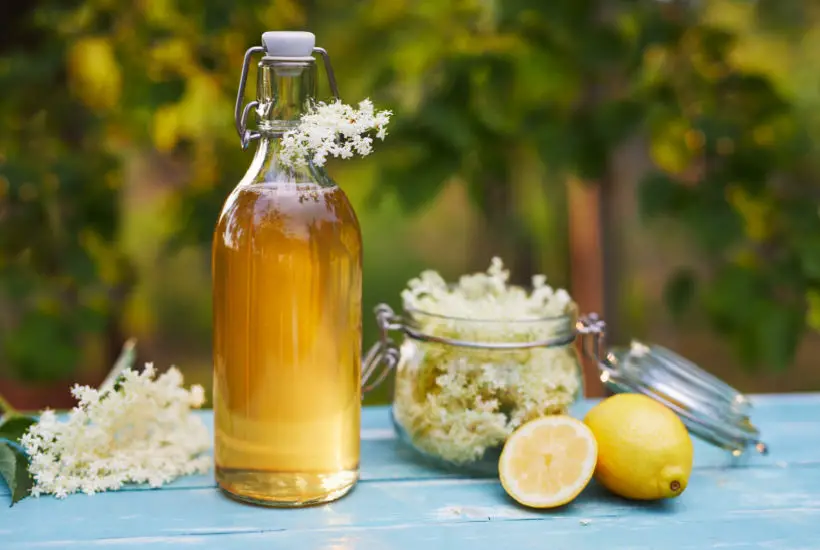
- Bottle it up: Pour your finished gin into a clean bottle.
FORAGING RECIPES
Variations on the basic recipe
Once you’ve mastered the basic recipe, you can try these fun ideas:
Lemon Twist: Add a few strips of lemon peel (just the yellow part, not the white bitter part) to the jar with the flowers. It adds a lovely zing.
Go Sugar-Free: You can leave the sugar out completely. The gin will be very “floral” and dry. You can always add a splash of sugar syrup to your glass later if you change your mind.
The “Double-Infusion”: If you want a really strong flavor, strain out your first batch of flowers after 24 hours and put in a fresh batch for another 24 hours.
Serving Suggestions
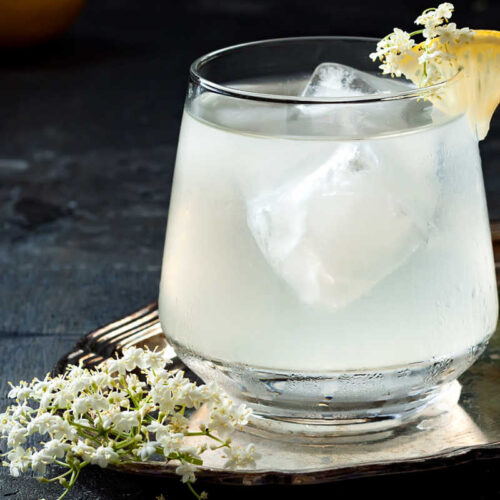
- The Classic: Mix with tonic water and lots of ice. Add a slice of rhubarb for a tart twist.
- The Fruity Mix: Drop in some frozen strawberries to keep your drink cold and add a burst of color.
- The Spritz: Add a splash to a glass of lemonade for a refreshing summer drink.
FORAGING RECIPES
Troubleshooting (What to do if things go wrong)
- If it tastes bitter: You probably left the flowers in too long or used too much of the green stalks. Add a little more sugar to help hide the bitterness.
- If it looks cloudy: This is just pollen from the flowers. It’s safe to drink, but if you want it clear, pour it through a coffee filter.
- If it smells funny: Always sniff the flowers before you pick them. If they smell like a “cat’s litter tray,” they are too old. Look for fresh, sweet-smelling blossoms instead.
How to Store Your Gin
Once you have bottled your gin, you want to keep it tasting fresh for as long as possible. Here is the best way to store it:
- Keep it Cool and Dark: Store your bottle in a cool, dark place like a kitchen cupboard or a pantry. Keep it out of direct sunlight, as the sun can turn the pretty golden color into a dull brown.
- The Fridge is Great: If you have space, you can keep the bottle in the fridge. This keeps the flavor crisp and means your gin is already cold when you’re ready for a drink!
- Check the Seal: Make sure the cap or cork is on tight so the alcohol doesn’t evaporate.
FORAGING RECIPES
How Long Will It Last?
Because gin has a high amount of alcohol, it acts as a natural preservative. This means your gin won’t really “go bad” or become unsafe to drink for a very long time.
However, for the best taste, keep these timelines in mind:
- Best Flavor (0–6 Months): The fresh, floral “zing” of the elderflower is strongest in the first few months.
- Fading Flavor (6–12 Months): After six months, the delicate flower taste will start to fade slightly, but it will still be delicious.
- Long Term (1 Year+): It is still safe to drink after a year, but you might find it loses that “summery” magic.
Pro Tip: If you want to keep that fresh flavor for much longer, you can actually store the gin in the freezer. The alcohol prevents it from freezing solid, and the extreme cold locks in the floral scent for a long time.
Homemade Elderflower Gin Recipe
Ingredients
- 500 ml Gin
- 10 Elderflower heads
- 50 grams White sugar
Instructions
- Fill the Jar: Put your elderflower heads into a clean 1-litre glass jar. Pour the gin over them until the jar is full.
- Wait a Little: This is the most important part. Leave the flowers in the gin for just 1 day. If you leave them too long, the gin will start to taste bitter.
- Strain: Pour the gin through a sieve or a piece of cloth to remove all the flowers.
- Add Sugar: Stir in your sugar until it has completely dissolved. You can adjust the sugar to your liking by adding less or more depending on what you like.
- Bottle it up: Pour your finished gin into a clean bottle.
Notes
This blog post was originally written on 25 December 2025 and last updated on 25 December 2025