Wild Cabbage: Foraging Guide & Recipes
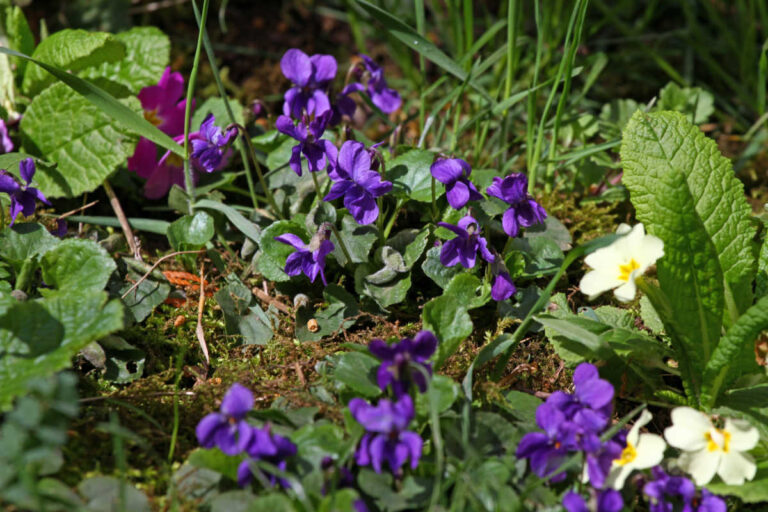
There are many types of wild cabbage (the picture is wild sea cabbage) and you can find it usually anywhere on the outskirts of villages, towns and seaside. Wild cabbage is nutritious and can be used in any recipe that calls for cabbage.

Where to find wild cabbage
Wild Cabbage (Brassica oleracea) is the ancestor of nearly all cultivated brassicas, including kale, broccoli, and cauliflower. In the UK, it is primarily found in coastal habitats, specifically growing on steep sea cliffs, ledges, and rocky shorelines. It is most common on the limestone and chalk cliffs of southern and western England and Wales, where it thrives in the salt-laden air and thin, nutrient-poor soil.
Regional Variations Across the UK
Wild cabbage distribution varies significantly across Britain. The south coast of England, particularly around Sussex, Hampshire, and Dorset, hosts thriving populations on chalk cliffs. The Jurassic Coast in Devon and Dorset is particularly rich with wild cabbage.
Wales offers excellent foraging opportunities along the Pembrokeshire coast and the cliffs of Gower Peninsula. The southwest coast, including Cornwall, has strong populations on dramatic cliff formations.
Scotland’s east coast, particularly around Fife and the Lothians, also supports wild cabbage populations, though they are less common than in southern regions.
Northern England has more limited populations, with occasional specimens on the Yorkshire coast.
Best Foraging Seasons for wild cabbage
Timing is crucial when foraging for wild cabbage in Britain. Late spring and early summer offer the most tender new growth, making it an ideal time for beginners. However, experienced foragers often prefer autumn and winter months when the leaves develop a sweeter flavour after the first frost.
Spring is excellent for harvesting the young flowering shoots, which typically appear from March through May depending on your location. Summer can be less productive as the plant focuses energy on flowering rather than leaf production. Early autumn provides another good window before winter hardening begins, offering a balance between tender leaves and developed flavour.
Identification
Wild cabbage looks remarkably like a tall, spindly version of garden kale or collard greens. It has large, thick, waxy leaves that are often a blue-green or “glaucous” colour, sometimes with purple veins or edges. The leaves are lobed at the base and have a wavy, undulating margin. In its second year, it produces a tall spike of bright yellow, four-petaled flowers, typical of the mustard family.
What to pick
The leaves are the primary edible part of the plant. In winter and early spring, the leaves are often tough and purple-tinged to protect against the cold, while the new growth in spring is more tender. You can also harvest the young flowering shoots (similar to “purple sprouting broccoli”) before they bloom in late spring.
How to harvest wild cabbage
Foraging for wild cabbage often requires a bit of a climb, as it prefers vertical or sloping cliff faces. Use a sharp knife to cut a few of the younger, more supple leaves from several different plants; this ensures you don’t over-harvest a single specimen.
Avoid the oldest, largest leaves at the base, as they are incredibly tough and bitter. Always be cautious of your footing when foraging near cliff edges.
Identifying Similar Species
While wild cabbage is generally distinctive, several similar coastal plants could cause confusion. Sea Kale (Crambe maritima) is the most commonly confused species and grows in similar habitats.
Sea Kale has thicker, more rounded leaves with a distinctly waxy gray-green appearance and lacks the lobed base of wild cabbage. Sea Kale is also legally protected in some regions and has different cooking properties.
Sedum species also grow on coastal cliffs but are far smaller and have succulent leaves. Always use multiple identification features: check for the characteristic lobed leaf base, the wavy margins, and the thick, waxy texture.
Nutritional Benefits & Health Properties
Wild cabbage is exceptionally nutritious and more nutrient-dense than cultivated cabbage varieties. It’s rich in vitamin C, which supports immune function and collagen production, and contains significant amounts of vitamin K, essential for bone health and blood clotting. The plant provides fiber for digestive health and contains glucosinolates, compounds that research suggests may have anti-cancer properties.
Wild cabbage also contains minerals like potassium, manganese, and iron. The robust leaves mean you get more phytonutrients per serving than tender shop-bought cabbage. The peppery compounds in wild cabbage are part of the mustard family’s characteristic flavour and have mild antimicrobial and anti-inflammatory properties.
For those interested in traditional medicine, wild cabbage has been used historically in European folk medicine for digestive complaints and inflammatory conditions, though modern scientific evidence is limited.
How to cook with wild cabbage
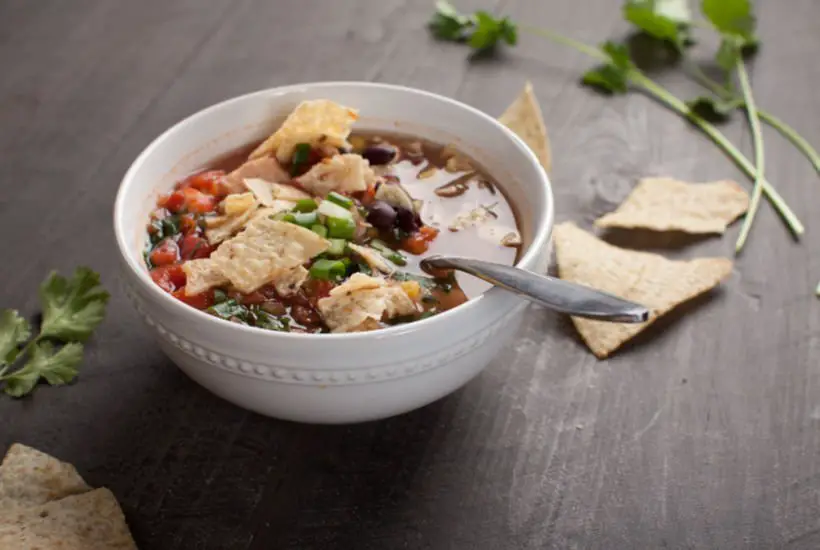
Wild cabbage has a much stronger, more “musty” and peppery flavor than shop-bought cabbage. Because the leaves are quite robust, they are best suited for slow-cooking. They can be shredded and added to hearty winter stews, soups, or stir-frys. For a more delicate preparation, blanch the leaves in boiling water for several minutes to soften the fibers before sautéing them in butter and garlic. The young flower heads can be steamed briefly and eaten exactly like sprouting broccoli.
Beyond simple stews and soups, wild cabbage offers exciting culinary possibilities. Fermentation is excellent for these robust leaves—they naturally contain the right bacteria for lacto-fermentation and develop complex, tangy flavors while maintaining nutritional value. Layer shredded wild cabbage with salt in a jar and let sit for several weeks to create a probiotic-rich condiment.
Roasting brings out sweetness; toss leaves with olive oil, salt, and pepper, then roast at high temperature until crispy for nutritious chips.
Pickling in vinegar-based brine creates a shelf-stable condiment that pairs well with rich meats. For Asian-inspired dishes, the leaves work beautifully in stir-frys with ginger, garlic, and soy sauce after brief blanching.
The young flowering shoots can be treated like purple sprouting broccoli—simply steam and serve with butter, or add to pasta dishes.
Older leaves can be shredded finely and added to grain bowls or salads after blanching to soften them. The flavour pairs particularly well with bacon, garlic, vinegar, and warming spices like caraway.
Storage
The leaves are quite hardy and will keep in a perforated bag in the vegetable drawer of your fridge for up to a week. If the leaves begin to wilt, you can revive them by placing the stems in a jar of cold water. For longer-term storage, the leaves can be blanched and frozen.
Legal & Ethical Considerations
While wild cabbage itself is not a protected species, many coastal areas fall within Sites of Special Scientific Interest (SSSI) or Areas of Outstanding Natural Beauty (AONB), which may have foraging restrictions. Always check with local authorities or landowners before foraging on private land or protected sites.
The Countryside Code should be your guide: take only what you need, leave the habitat undisturbed, and respect other users of the land. Some cliff-edge locations are dangerous and may be off-limits. Never forage from areas with “No Entry” signs or warning notices about unstable cliffs.
This blog post was originally written on 25 December 2025 and last updated on 25 December 2025