Wild Horseradish: Identification, Uses & Recipes
Foraging for wild food is a fun adventure and also a great way to find free and nutritious foods. One tasty and versatile plant to search for is wild horseradish. Though it resembles its cultivated cousin, wild horseradish has a delightfully intense flavor and can be harvested sustainably in many parts of the country.
In this blog post, I’ll share my tips on identifying wild horseradish, where to find it, and the prime season for harvesting the roots and leaves. You’ll learn how to safely and ethically forage for horseradish without damaging the environment. I’ll also provide a few of my favorite ways to use wild horseradish in cooking.
MORE FORAGING INSPIRATION
- Monthly Foraging Guide – What’s in season now >>
- Rosebay Willowherb: Identification, Uses & Recipes >>
- Foraging for Acorns: Preparing Acorns & Recipes >>
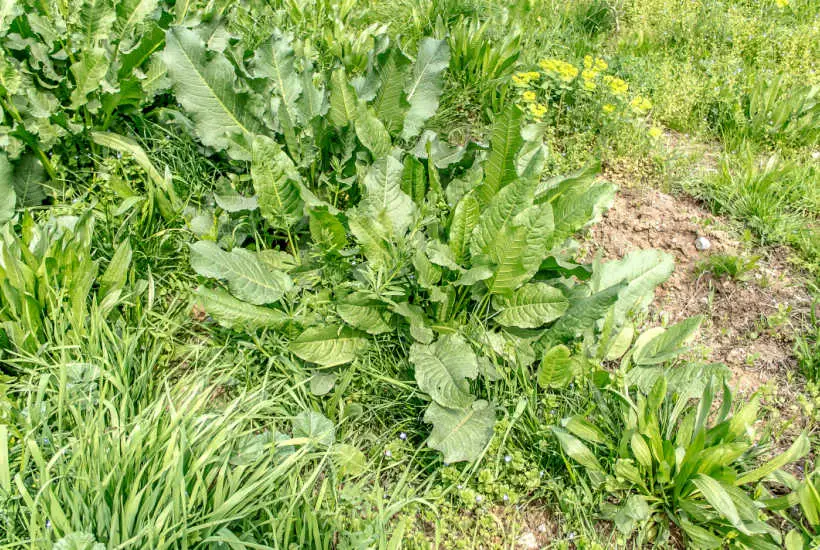
How to identify wild horseradish plant
Wild horseradish (Armoracia rusticana) is a perennial plant in the Brassicaceae family that is native to southeastern Europe and western Asia. It has the following characteristics:
Grows up to 1-2 feet tall, with large, wavy-edged, dock-like leaves that can reach up to 1 meter long from the ground. The leaves emerge from a basal rosette
Has a long, thick taproot that can grow up to 24 inches long. The taproot is white and resembles a parsnip
Small white flowers emerge from May to June on erect stalks up to 60 cm tall. The flowers are rarely pollinated and seeds are seldom produced.
Grows best in deep, moist, and well-drained soils. It is commonly found along woodland edges, waste grounds, and coastal areas
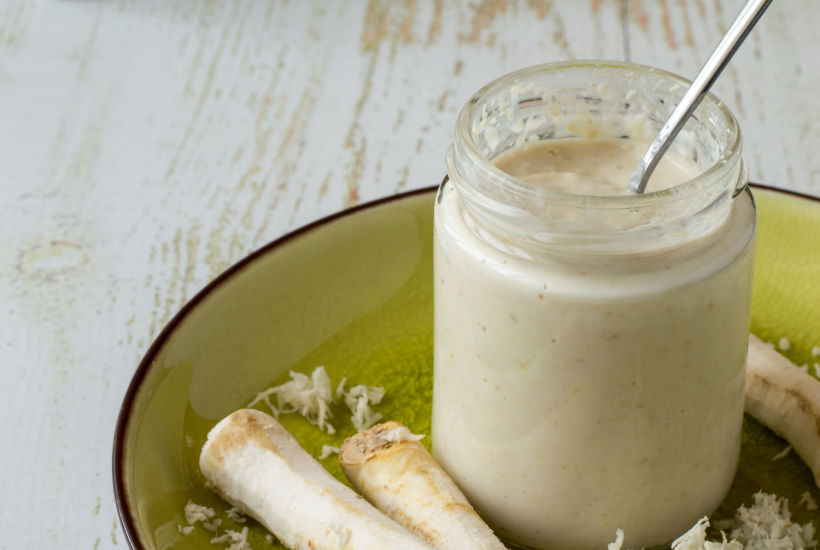
The root has a pungent, spicy flavor and is used as a condiment and spice. It is grated and used to make horseradish sauce

The wild horseradish season
The leaves emerge in early spring and can be harvested from spring through autumn
The roots can be dug up and harvested in autumn and winter when the leaves die back, or in early spring before the leaves emerge
The roots have the strongest flavor during the colder months and become more pungent after a frost
The small white flowers emerge in late spring to early summer, from May to June
MORE FORAGING RESOURCES

What to pick from wild horseradish and how to use it?
From wild horseradish, you can harvest both the leaves and roots to use:
The leaves can be harvested in spring and used fresh in salads, sandwiches, wraps, etc. They can also be cooked by boiling, steaming or sautéing. The young leaves have a milder, more spinach-like taste.
The roots are best harvested in autumn/winter. The roots have a very strong, pungent flavor and are usually grated raw to make horseradish sauce or condiment. The grated root can also be added to dishes like mashed potatoes, dips, dressings, etc to add a spicy kick. Freshly grated horseradish root will provide the strongest flavor, but the grated paste can also be preserved in vinegar. The root needs to be peeled before grating.
FORAGING RECIPES
Where to find wild horseradish plant in the UK
Along woodland edges and hedgerows. Horseradish often grows wild along the edges of woodlands, hedges, and tree lines.
Coastal regions. The plant favors coastal habitats like sea cliffs, beaches, and coastal woodlands.
Wastelands. It can be found on abandoned land, demolition sites, edges of fields, and other disturbed ground.
Riverbanks. The moist soil along rivers and streams creates good growing conditions for horseradish.
Road and rail embankments. Horseradish is sometimes found along transport routes where the soil is left undisturbed.
Gardens and allotments. It may occur where it has spread from cultivation.
Damp meadows and pastures. The plant thrives in damp grasslands.
Health benefits and medicinal use of wild horseradish plant
Respiratory relief – Contains compounds like allyl isothiocyanate that help clear congestion and sinuses. The pungent odor can help open up nasal passages and relieve coughing
Digestive aid – Promotes bile production and may help improve digestion. The enzymes in horseradish may also help break down foods in the stomach
Diuretic properties – Compounds in horseradish may help increase urine production and flush out toxins from the body
Antimicrobial properties – Studies show horseradish root extracts have antibacterial and antifungal abilities that may help fight infections
Circulation booster – Thought to help dilate blood vessels and improve blood circulation. Often used to alleviate muscle aches and pains
Rich in vitamins & minerals – Provides an array of nutrients like vitamin C, folate, potassium, magnesium and more
MORE FORAGING RECIPES
Potential issues with wild horseradish that you should know about
While horseradish is considered safe when consumed in normal food amounts, caution should be taken with large doses or concentrated supplements due to the potential for toxicity and medication interactions. Moderation is the key here.
Allergic reactions – Horseradish contains mustard oils that can cause skin irritation or allergic reactions in some people, especially when handling the plant
Thyroid issues – Horseradish contains compounds like glucosinolates that may disrupt thyroid function if consumed in very high amounts
Digestive problems – Ingesting large amounts of horseradish can potentially cause stomach pain, diarrhea, vomiting, and bloody stools
Pregnancy and breastfeeding – Horseradish is not recommended for pregnant or breastfeeding women as it may stimulate the uterus or affect nursing infants.
Drug interactions – Horseradish may interact with lithium, anticoagulants, and certain antibiotics. It’s best to consult a doctor when taking medication
Toxicity – The essential oil of horseradish contains potentially toxic compounds and should only be used topically and in small amounts
This blog post was originally written on 4 February 2024 and last updated on 4 February 2024
PIN TO KEEP FOR LATER