Monthly Foraging Guide (2026) – What’s in season now in the UK
Whether you are new to foraging or not, foraging for wild food turns any walk in the countryside into a mini adventure. It’s also a great way to supplement your food shopping, help you to plan your meals and exciting new ingredients into your diet.
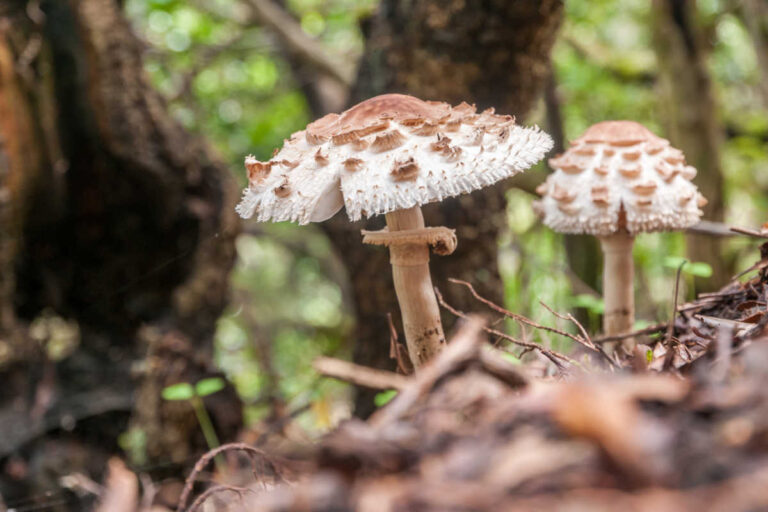
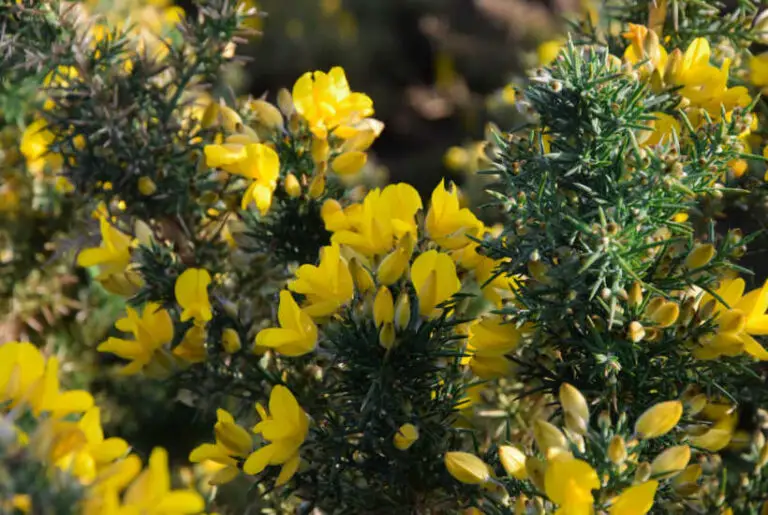
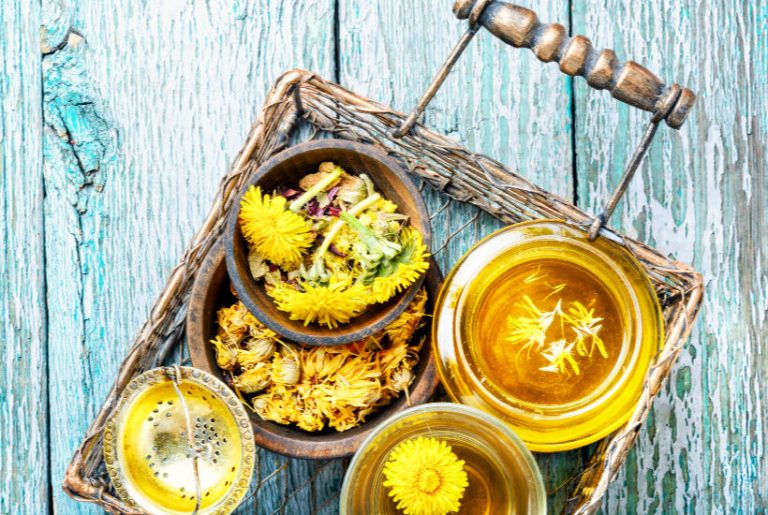
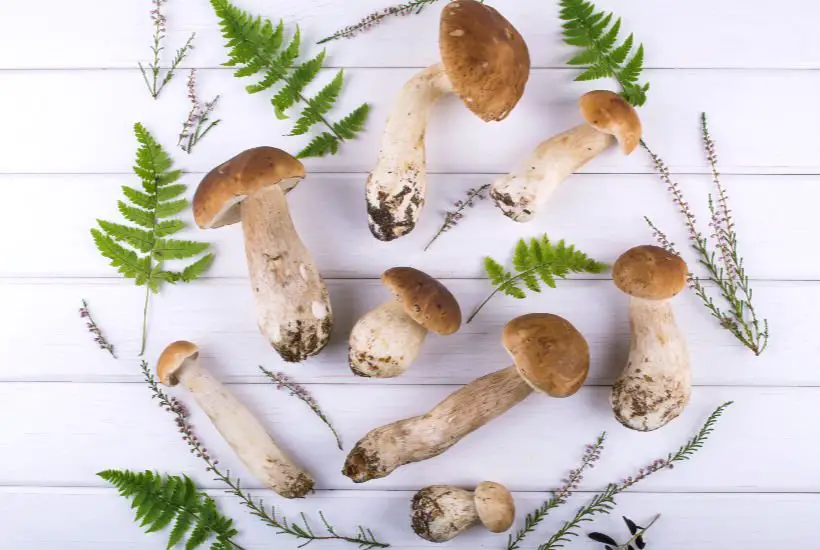
To help you to identify your plants, it’s best to get a pocket foraging guide book, so that you can always refer to a photo or illustration as you walk through the countryside, but I’ve also included a lot of photos for you to help you to recognise the plants.
A little note about my foraging calendar
I’ve included my favourite plants, mushrooms and other wild food that I like to collect throughout the year. I’ve been foraging from very early age, first with my grandmother who showed me safe mushrooms to collect, herbs to dry for tea or plants that can be eaten raw.
I’ve continued to forage , now mainly foraging in the Great Britain and the central Europe and always bring something back from my walks in the countryside.
There are of course loads more plants you can collect and availability also depends on where you live. Most plants also start to be in season in one month and continue to the next month.
I’ve also included my favourite foraging recipes and you can look up more in-depth descriptions about each foraging month and individual plants.
PIN THIS GUIDE TO KEEP FOR LATER
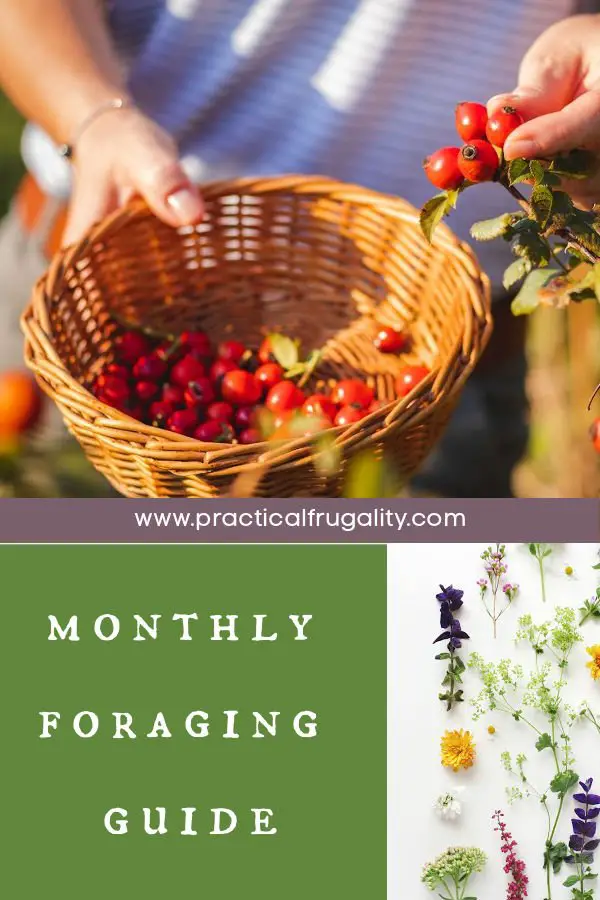
How to forage in the countryside
Foraging for plants, herbs, and mushrooms is a great way to connect with nature, but it’s crucial to do so responsibly to protect both yourself and the ecosystems you explore. Always positively identify species before harvesting, as some plants and mushrooms can be toxic.
Take only what you need and never overharvest, ensuring you leave enough for the plant to continue to thrive and for wildlife that also depends on it.
When foraging mushrooms, cut them at the base rather than pulling them out to preserve the mycelium for future growth. Lastly, be mindful of local regulations and private property rights to ensure that your foraging is legal and welcomed.
January
- Cattail
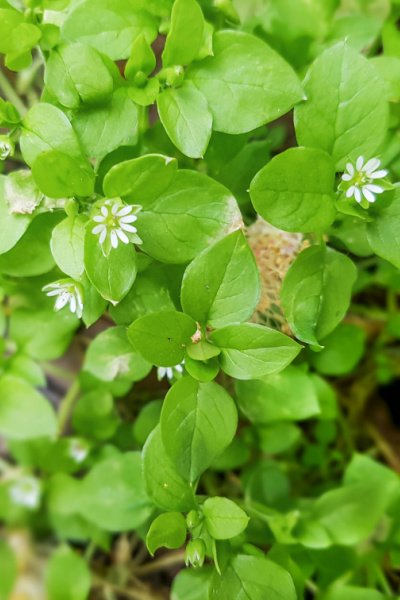
- Chickweed
- Common Sorrel
- Nettle
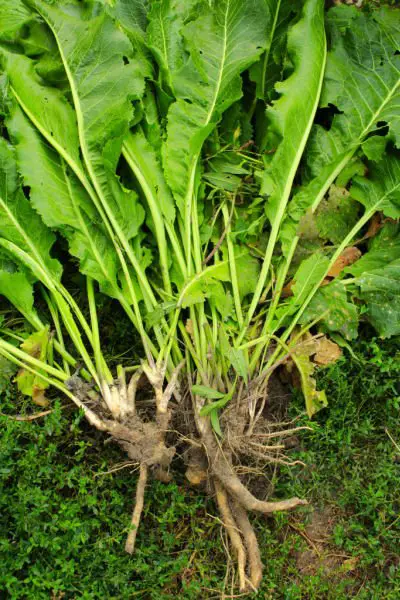
- Wild Cabbage >>
- Wild Chervil
- Milkweed
- Cowberry
- Black Mustard
- Winter Cress
- Dandelion Roots
READ MORE
RECIPES

February
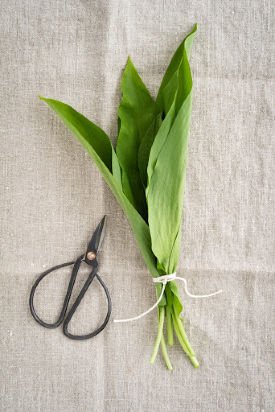
- Wild Garlic >>
- Sorrel
- Alexanders
- Mushrooms
- Nettle
- Wild Cabbage
- Chickweed
- Dandelion Roots
- Common & Wood Sorrel
- Hairy Bittercress
READ MORE
RECIPES
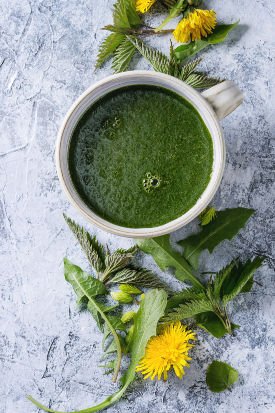
March
- Alexanders
- Burdock Leaves
- Black Mustard
- Cow Parsley
- Chives
- Coltsfoot >>
- Chickweed
- Fat Hen
- Ground Elder
- Gorse Flowers >>
- Goosegrass (Cleavers Plant) >>
- Sweet Cicely
- Watercress
- Primrose >>
- Hogweed
- Jack by the Hedge
- Dandelion Leaves
- Stinging Nettles
- Winter Cress
- Winter Cabbage
- Wild Violets
- Wild Sorrel Leaves
- Sheep Sorrel
READ MORE

April
- Chives
- Carragheen
- Burdock Leaves
- Borage
- Spearmint
- Fennel
- Fat Hen
- Red Clover
- Dandelion Flowers >>
- Plantain Herb Plant >>
- Milk Thistle
- Morel
- Magnolia Flowers
- Nettle
- Primroses
- Wild Garlic
- Cow Parsley
- See Kale
- Sea Beet
- Wood Sorrel
- Wild Fennel
- Wild Garlic
- Garlic and Black Mustard
- Wild Horseradish >>
- Gorse Flowers >>
READ MORE
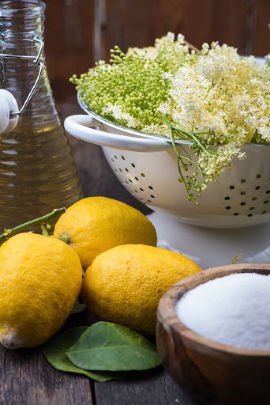
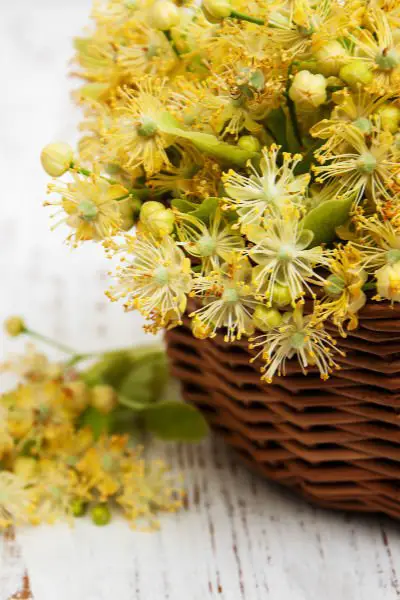
May
- Burdock Leaves
- Borage
- Bramle Leaves
- Common Mallow
- Common Comfrey Plant >>
- Cleavers
- Dead Nettle Flowers (white flowering) >>
- Elderflowers >>
- Fat Hen
- Wild Horseradish
- Ground Elder
- Wild Thyme
- Wild Mint
- Wild Chicory
- Spearmint
- Lime Flowers & Leaves
- Common Sorrel
- Chickweed
- Silverweed
- Red Goosefoot
- Red Clover
- Dandelion Flowers
- Rosebay Willowherb >>
RECIPES
READ MORE

June
- Burdock Leaves
- Broom
- Chicken of the Woods
- Chickweed
- Cleavers
- Poppy
- Mallow
- Hogweed
- Wild Horseradish
- Milk Thistle
- Elderflowers
- Marjoram
- Pignut
- Red Goosenut
- St. John’s Worth
- Chamomile Flowers
- Wild Raspberries & Leaves >>
- Wild Rose Flowers
- Wild Strawberries
- Honeysuckle
- Milkweed Flower Buds
- Yarrow
- Gorse Flowers
READ MORE
RECIPES
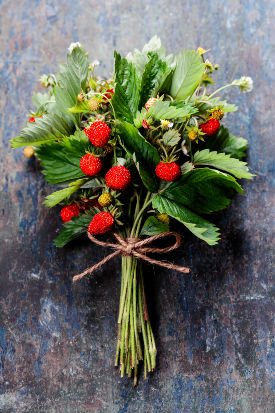
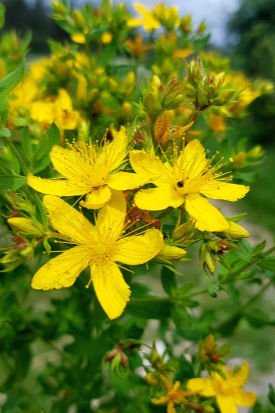
July
- Silverweed
- Rose Petals
- Wild or Forest Strawberries
- Gooseberry
- Blueberries
- Bilberries
- St.John’s Wort Flowers
- Yarrow
- Gorse
- Comfrey >>
- Meadowsweet
- Wood Sorrel
- Mallow
- Chickweed
- Chanterelle Mushrooms >>
- Field Mushrooms
- Giant Puffball Mushrooms
- Cep
- Field Rose
- Honeysuckle flowers
- Silverweed
- Sweet Cicely
- Wild Cherries
- Wild Chicory Flowers
READ MORE

August
- Wood Sorrel
- Plum
- Comfrey
- Puffball Mushrooms >>
- Poppy
- Blackberries
- Blueberries
- Elderberries
- Crab Apples
- Apples
- Cauliflower Fungus
- Chicken of the Woods
- Heather Flowers
READ MORE
RECIPES
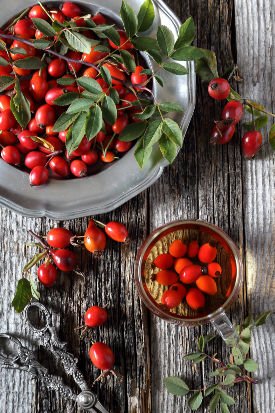
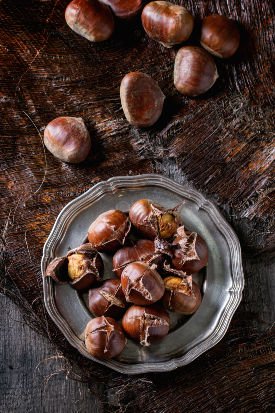
September
- Blackberry
- Beech Nuts
- Sloe
- Hawthorn Berries
- Rosehips
- Walnuts
- Elderberries
- Hazelnuts
- Acorns
- Rowan Tree Berries >>
READ MORE
RECIPES
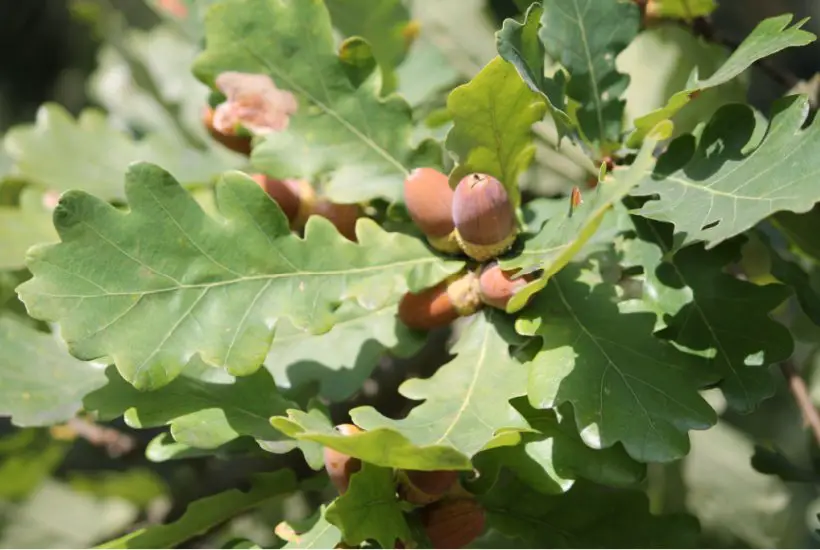
October
- Hawthorn Berry
- Bullace
- Beech Nuts
- Fat Hen
- Damson
- Acorns >>
- Walnuts
- Hazelnuts
- Wild Rosehips >>
- Sweet Chestnuts
- Crab Apples
- Mussels
- Rowan Berries
READ MORE
RECIPES
November
- Sweet Chestnuts
- Winter Cress
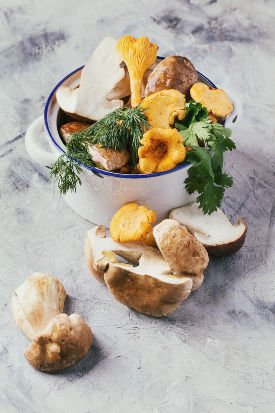
- Oyster Mushrooms
- Chickweed
- Navelwort
- Winter Chanterelles
- Hairy Bittercress
- Hop
- Crab Apples
- Sloes
READ MORE
December
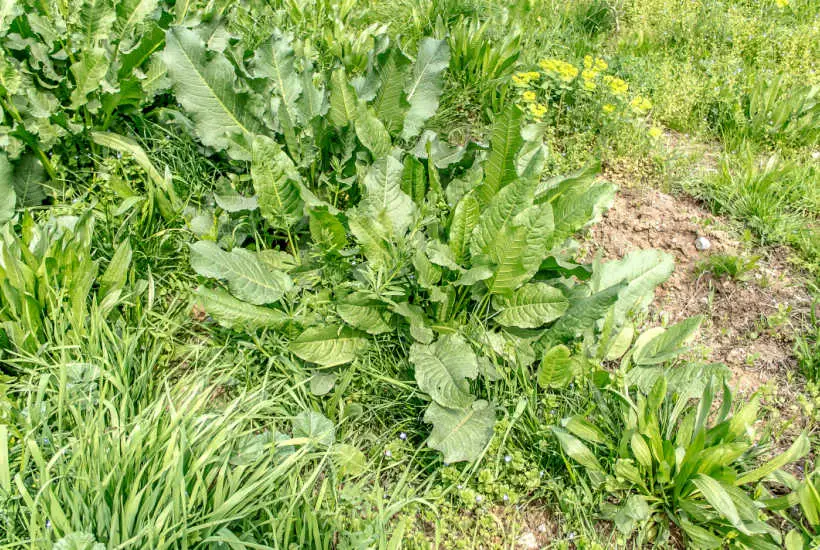
- Horseradish
- Wild Cabbage
- Douglas Fir Needles >>
- Mussels
- Cockles
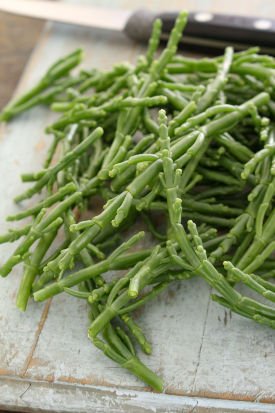
- Marsh Samphire >>
- Seabeet
- Rosehips
- Black Mustard
- Alexanders
READ MORE
Stay in touch
Hope this post inspires you and of course, I’d love to know what you think! Let me know in the comments below or find me on Instagram, Facebook or Twitter and add the hashtag #practicalfrugality so that I can see your post.
Or why not subscribe to my weekly newsletter with frugal living tips and recipes straight to your mailbox.
Magdalena
This blog post was originally written on 6 June 2020 and last updated on 25 December 2025