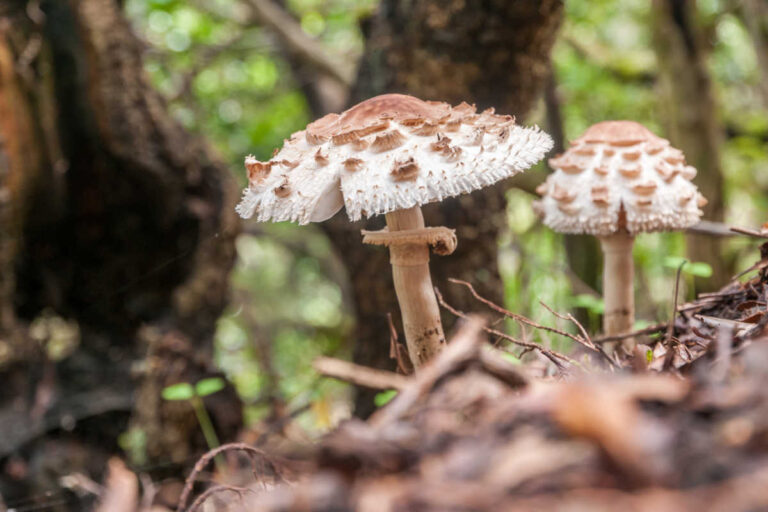
Foraging in November – Guide to wild food & Recipes
As we head into November the autumn is closing on us and the abundance of fruit, herbs and berries is slowing down. Saying that there are still fresh plants to pick as garnish for your salads, there are plenty of mushrooms to forage for and then there are sweet chestnuts!
November foraging also overlaps with October and December, so make sure you check out my other posts to see what’s in season.
RESOURCES
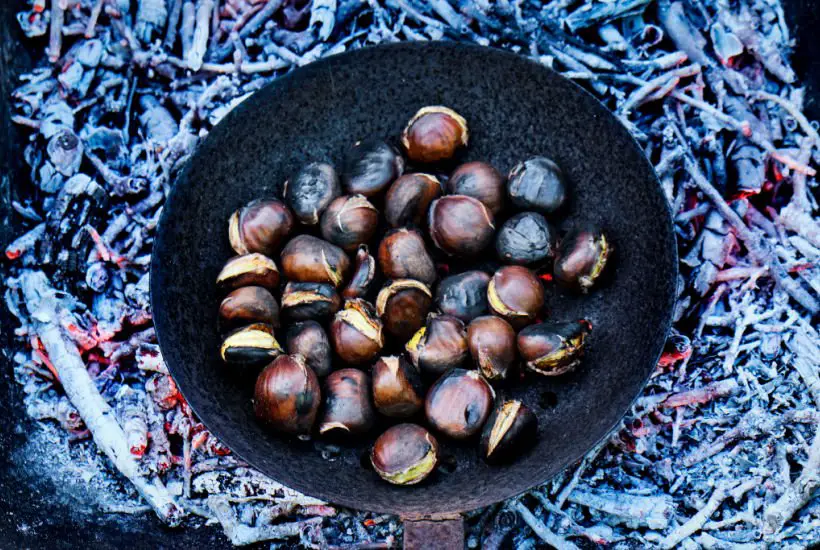
Sweet chestnuts
I love chestnuts and everything about them. The way how you need to hunt for them in the forest and pick the plumpy ones (leave the thin ones), the smell when you roast them and the lightly nutty flavour when you eat them. There are so many uses for these and the best thing is that they are gluten-free.
Chestnut trees are easily spotted and you’ll see chestnuts already on the ground. Take a thick gloves with you to pick the chestnuts as the green outer layer is very prickly. If you have the time, it’s best to pick the chestnuts without the green layer, as you’ll carry home only what you need.
Where to find it: Found in broadleaf woodlands and parks, particularly in areas with well-drained, acidic soil. By November, many of the husks have already fallen, but you can still find the late-season harvest hidden under the fresh leaf litter.
What to pick: The nuts found inside the spiky green or brown husks. At this stage in the month, look for nuts that have already naturally fallen out of their cases onto the ground.
How to harvest: Use your boots to push aside the “urchin-like” husks. Only collect nuts that are firm, shiny, and heavy. If they feel hollow or have a small pin-sized hole, they have been claimed by weevils.
How to use it: Sweet chestnuts must be cooked to break down the starches. Score a cross in the skin and roast them until they pop, or boil and peel them for use in festive stuffings, creamy soups, or purées.
Storage: They have a high water content compared to other nuts. Store them in a cool, airy place for up to 10 days, or peel and freeze them for your Christmas dinner.
Identification: Look for the “saw-tooth” serrated leaves on the ground. The husks are covered in incredibly fine, dense needles (unlike the sparse, blunt spikes of the inedible Horse Chestnut).
Caution: Do not confuse them with Horse Chestnuts (Conkers), which are toxic. Remember: Sweet Chestnuts have a “tuft” or point at the end of the nut, while Conkers are smooth and rounded.

Winter Cress (Land Cress)
Where to find it: Found along riverbanks, damp roadsides, and in fallow farm fields. It is a hardy biennial that stays green and vibrant even as other plants die back in the November chill.
What to pick: The dark green, glossy leaves. Look for the basal rosette (the circle of leaves at the base) for the most tender growth.
How to use it: It has a hot, peppery kick similar to watercress or rocket. It’s excellent raw in sandwiches and salads to add a “zing” to winter meals, or it can be lightly sautéed like spinach.
How to harvest: Snip the outer leaves of the rosette with scissors, leaving the center to continue growing throughout the winter.
Storage: Best eaten fresh, but can be kept in a jar of water or a sealed bag in the fridge for up to 3 days.
Identification: Look for glossy, dark green leaves with a large rounded lobe at the tip and smaller lobes along the stem. In late autumn, it remains low to the ground.
Caution: Ensure you wash it thoroughly if gathered from areas near livestock or slow-moving water to avoid parasites like liver fluke.

Winter Chanterelle (Yellowlegs)
Where to find it: Found in mossy beech or pine woodlands. They are masters of camouflage among fallen brown leaves, so move slowly and look for the flash of yellow stems.
What to pick: Pick the entire chanterelle mushroom. They are highly gregarious; if you find one, there are likely dozens nearby hidden under the leaf litter.
How to use it: They have a lovely, peppery, and slightly fruity flavor. Excellent in risottos, omelets, or simply sautéed in butter. They are thinner and more delicate than the summer Golden Chanterelle.
How to harvest: Pinch at the base or cut with a knife to keep the forest floor intact.
Storage: These mushrooms dry exceptionally well, intensifying their flavor. You can also keep them in the fridge for up to 5 days.
Identification: A funnel-shaped cap that is brownish-grey on top with a hollow, bright yellow stem. Instead of true gills, they have shallow, vein-like ridges on the underside that run down the stem.
Caution: Ensure you don’t confuse them with the Jelly Baby fungus, which is more rubbery and lacks the “veins.”
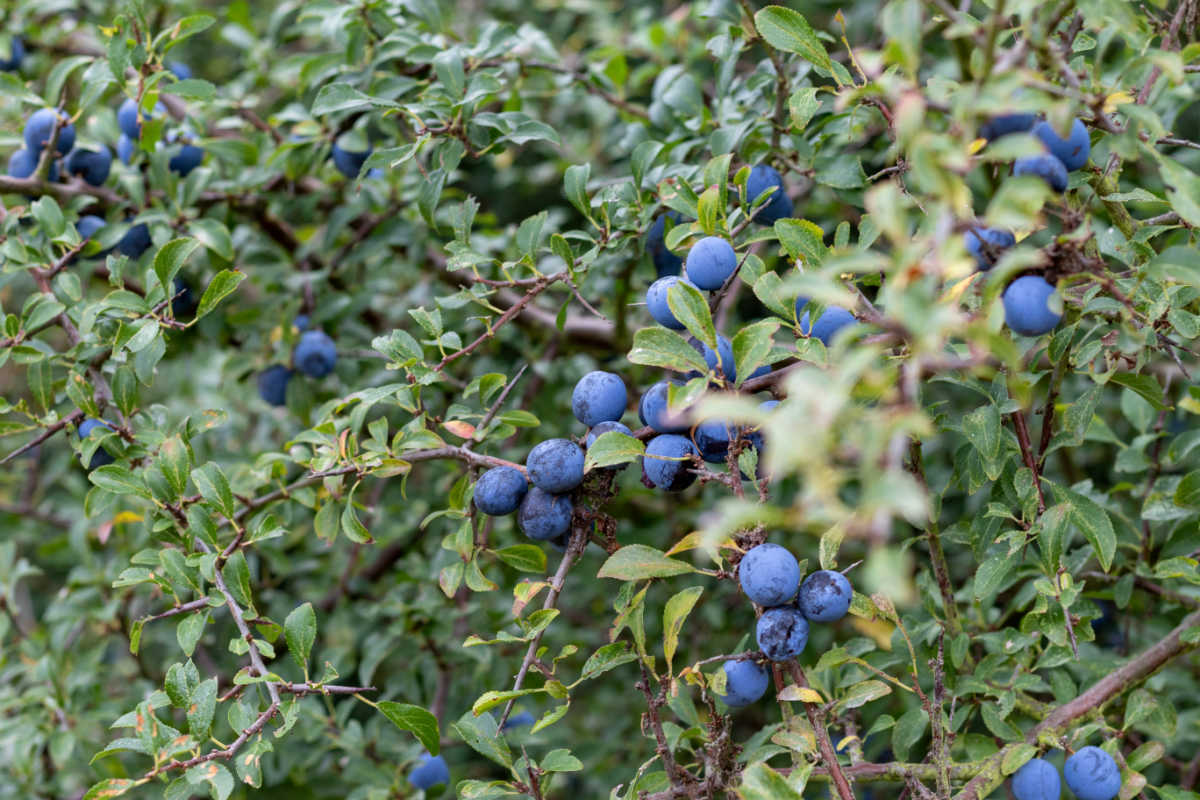
Sloes
Where to find it: Sloes are the fruit of the Blackthorn bush (Prunus spinosa). They are ubiquitous in UK hedgerows, scrubland, and woodland edges.
What to pick: The small, blue-black, berry-like fruits. By November, they are often at their peak ripeness.
How to harvest: Pick by hand when they are dark and slightly soft. While October foragers often use the freezer, November foragers often benefit from a natural “bletting” caused by the first real frosts, which breaks down the tannins.
How to use it: Too astringent to eat raw! Most famous for making Sloe Gin, but they also make excellent jellies or “Sloe Port” when fermented with sugar and red wine.
Storage: They keep well in the fridge for a week or can be frozen for months.
Identification: Blackthorn is a very thorny shrub with dark, almost black bark. In November, the branches are often bare of leaves but laden with dusty-blue berries.
Caution: Watch out for the long, sharp thorns which can cause nasty infections if they prick you.

Wood Blewit
Where to find it: Found in leaf litter in both deciduous and coniferous woodlands, and sometimes in garden compost heaps or hedgerows.
What to pick: The whole mushroom, preferably when the caps are still slightly tucked under at the edges.
How to use it: They have a strong, floral, and slightly “yeasty” scent. They must be cooked (raw they cause gastric upset). They are excellent fried in butter with garlic or added to creamy stews.
How to harvest: Cut at the base of the stem.
Storage: Keeps well in the fridge for 3–4 days in a paper bag.
Identification: A stunning violet to lilac-colored mushroom. The cap starts convex and flattens with age, turning more brownish-lilac. The gills are crowded and violet, and the stem is thick and fibrous.
Caution: Avoid the Cortinarius (Webcap) family, which can look similar but often have a rusty-brown spore print and a “cobweb” veil under the cap.
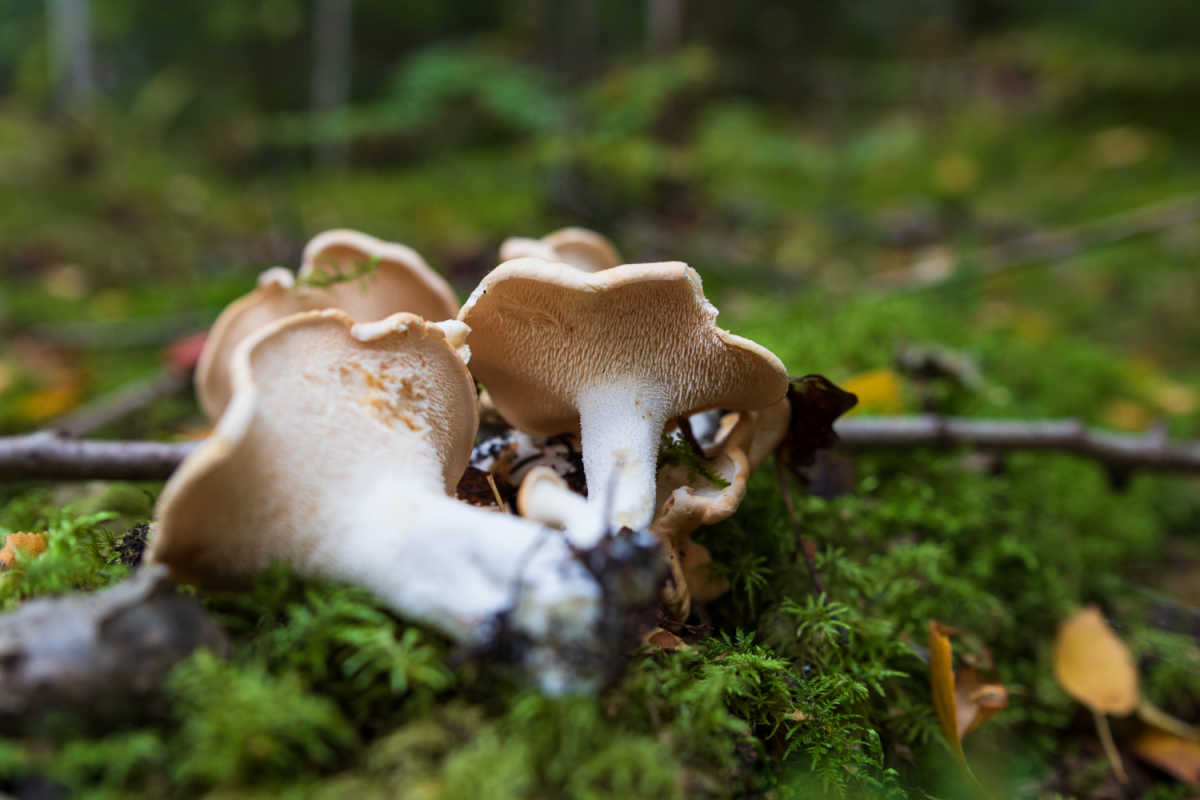
Hedgehog Fungus
Where to find it: Often found in leaf litter near beech, birch, or pine trees. They are very hardy and can withstand the colder November nights.
What to pick: The entire fruiting body. Look for firm, cream-to-pale-orange specimens.
How to use it: A choice edible with a firm, nutty texture. It doesn’t shrink much when cooked, making it a great “meat” substitute in stews.
How to harvest: Gently pull from the ground or cut the stem.
Storage: Very robust; stays fresh in the fridge for up to a week.
Identification: The cap is cream/buff and often irregular in shape. The key feature is underneath: instead of gills or pores, it has soft, hanging “spines” or “teeth.”
Caution: One of the safest mushrooms to identify because of the unique spines, but always check for a firm, non-mushy texture.
Rose Hips
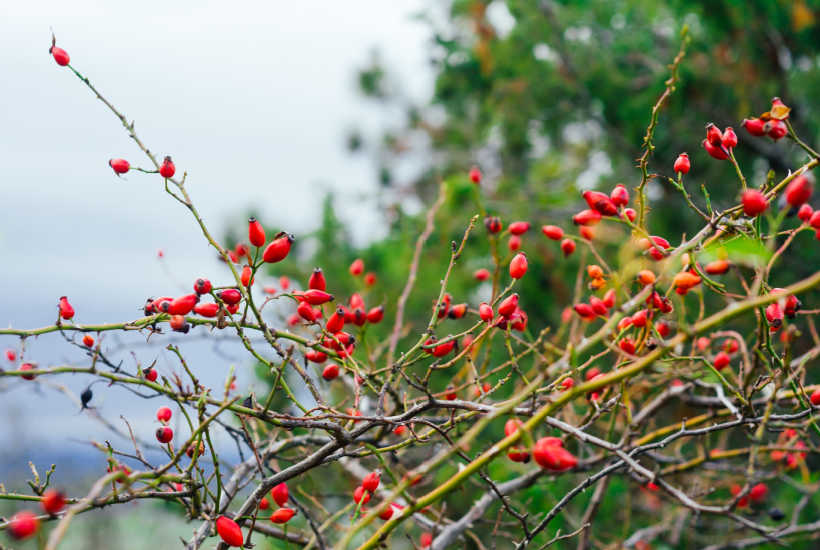
Where to find it: Foraging for rosehips is easy as they can be found on wild Dog Rose bushes in most hedgerows and woodland margins across the UK.
What to pick: The bright red, oval seed pods. In November, they are often soft and “squishy,” which is ideal for processing.
How to harvest: Pick by hand, avoiding the thorns. Look for the deepest red ones.
How to use it: Famous for Rose Hip Syrup, which is packed with Vitamin C. They can also be used for teas or jellies. My favourite recipes include Rosehip tincture and Rosehip Chutney, which is great with pate or roasted meats.
Storage: Use immediately for syrup or dry them thoroughly for tea.
Identification: The red fruit of the wild rose. The bushes are arching and thorny with compound leaves (though leaves may be falling in late November).
Caution: Crucial: Inside the hip are fine hairs that act as an irritant (itching powder). You must strain any liquid through several layers of muslin to ensure no hairs remain.
Jelly Ear (Wood Ear)
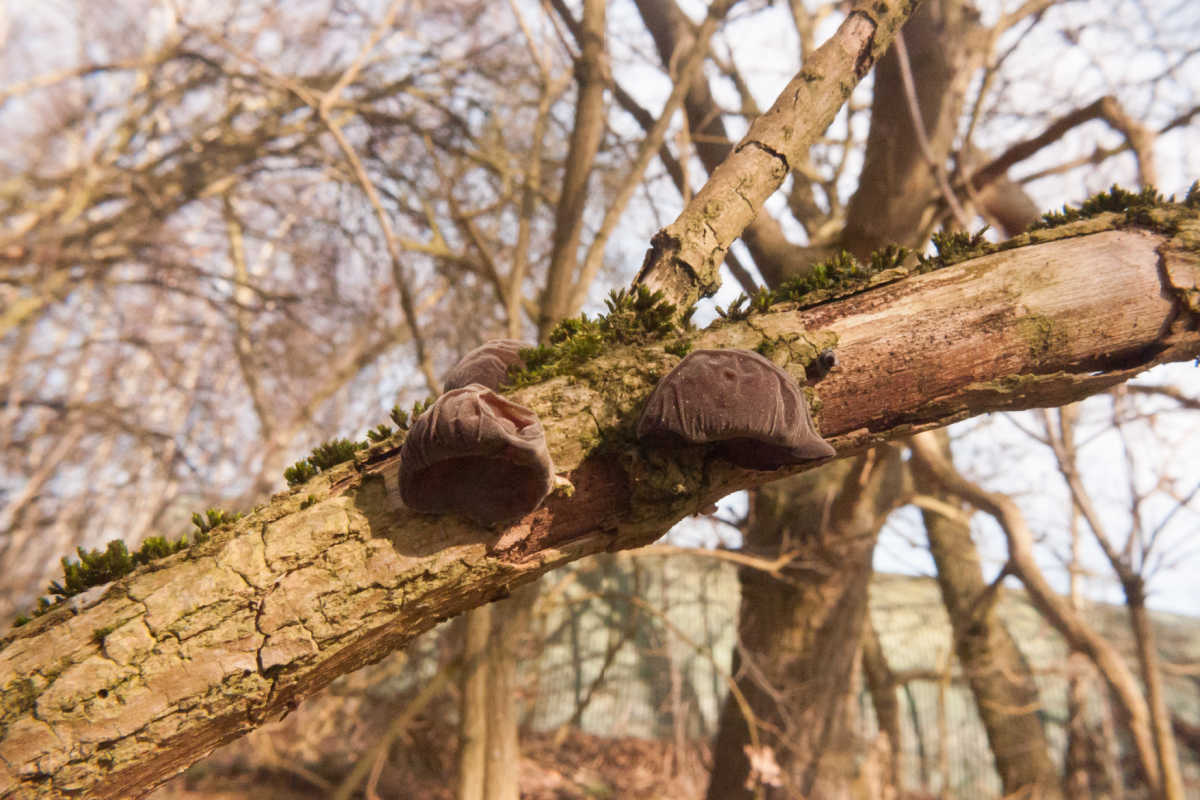
Where to find it: Almost exclusively on dead or dying Elder trees. They are visible year-round but thrive in the damp, cool November air.
What to pick: The rubbery, ear-shaped brackets.
How to use it: Popular in Asian-style soups and stir-frys. They have a jelly-like texture and absorb the flavors of the liquid they are cooked in.
How to harvest: Simply pull them off the wood.
Storage: They dry incredibly well—shrinking to small black crisps—and rehydrate perfectly in water.
Identification: Reddish-brown, translucent, and shaped remarkably like a human ear. It feels velvety on the outside and smooth/rubbery on the inside.
Caution: Ensure you are picking from Elder; while other similar fungi exist, the Elder tree host is a primary ID feature.
Chickweed
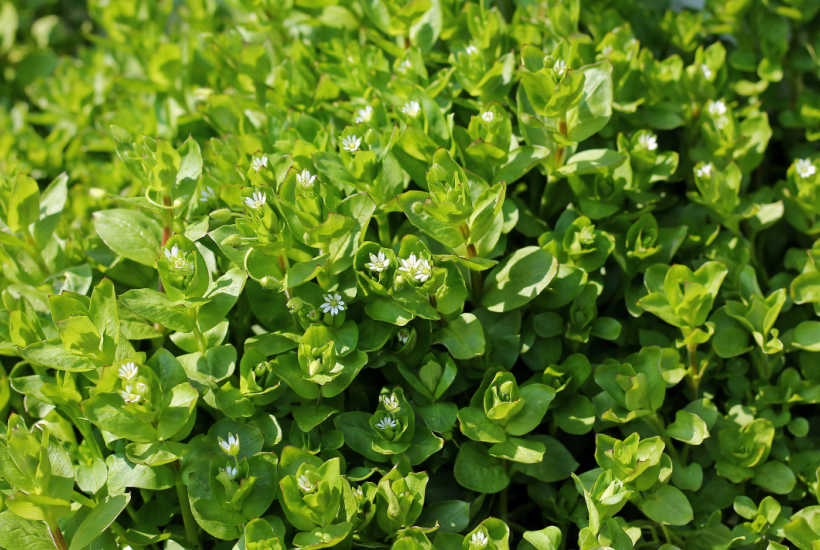
Where to find it: A common “weed” in gardens, allotments, and farm gateways. It loves the damp, cooler months and often provides a fresh green carpet in November.
What to pick: The top few inches of the leafy stems.
How to use it: It has a fresh, “corn-on-the-cob” flavor. Use it raw in salads or sandwiches as a replacement for lettuce, or wilt it into soups.
How to harvest: Use scissors to snip the tender tops; this allows the plant to keep growing.
Storage: Very delicate; eat immediately or keep in a sealed container in the fridge for 24 hours.
Identification: A low-growing plant with small, oval, opposite leaves. It has a single line of fine hairs running down only one side of the stem.
Caution: Avoid plants in areas that may have been sprayed with weedkiller or used by dogs.

Navelwort (Pennywort)
Where to find it: Look on damp stone walls, rocky crevices, and shady hedge banks, particularly in the West of the UK.
What to pick: The succulent, circular leaves.
How to use it: A refreshing, crunchy addition to winter salads. It is very juicy and mild.
How to harvest: Snap the leaves off at the base of their individual stalks.
Storage: Stays crisp in a damp paper towel in the fridge for 2–3 days.
Identification: Distinctive round, fleshy, “belly-button” leaves where the stalk attaches to the center of the leaf rather than the edge.
Caution: It can sometimes be confused with young Marsh Pennywort, which grows in bogs; Navelwort is almost always found on vertical surfaces like walls.
Other plants that are in season in November
Rowan Berries, Hawthorn, Oak (Acorns), Milkcap Mushrooms, Burdock, Wild Rosehips, Beech, Plantain Herb Plant, Blackthorn (sloe), Cleavers, Parasol Mushrooms
Alexanders, Beech Mast, Bullace Plum, Chickweed, Crab Apples, Dandelion, Garlic Mustard, Hairy Bittercress, Hawthorn Berries, Juniper Berries, Navelwort, Nettles, Pine Needles, Sweet Chestnuts, Walnuts, Wild Angelica, Wood Sorrel, Yarrow.
Amethyst Deceiver, Bay Bolete, Field Blewit, Hedgehog Fungus, Herald of Winter, Honey Fungus, Jelly Ear, Oyster Mushrooms, Shaggy Ink Cap, Trooping Funnel, Velvet Shank, Winter Chanterelle Mushrooms, Wood Blewit.
This blog post was originally written on 9 November 2020 and last updated on 24 December 2025