Foraging in May – Guide to wild food & Recipes (UK)
May is here, and it’s one of the most exciting months for foraging in the UK. As spring is in full bloom, the countryside is bursting with fresh, vibrant wild edibles just waiting to be discovered.
Whether you’re a seasoned forager or just starting out, May offers a fantastic variety of plants, flowers, and herbs to gather and enjoy.
In this blog post, we’ll guide you through some of the best wild foods you can find this month, where to look for them, and how to use them in your kitchen. May growing season often overlaps with plants you can find in April and also in June, depending on the weather.
So grab your basket, put on your walking shoes, and let’s dive into the wonderful world of foraging in May!
BEGINNERS GUIDE TO FORAGING

Narrowleaf Plantain
Where to find it: Narrowleaf plantain (Plantago lanceolata), also known as ribwort plantain herb plant, is native to Europe and Asia but is now widespread across North America and other parts of the world. It commonly grows in lawns, gardens, fields, roadsides, and disturbed areas. This hardy plant thrives in a variety of soil types and conditions, from full sun to partial shade.
What to pick: The young leaves and flower spikes of narrowleaf plantain are edible. The leaves are best picked when they are young and tender, as older leaves can become tough and fibrous. The flower spikes can be harvested when they are still green and tender.
How to harvest: Use scissors or gently pluck the leaves and flower spikes by hand, taking care not to uproot the entire plant. Regular harvesting encourages the plant to produce more leaves and flower spikes. Narrowleaf plantain regrows quickly after cutting.
How to use it: Narrowleaf plantain leaves can be eaten raw in salads, added to sandwiches, or cooked like spinach in soups, stews, and sautés. The flower spikes can be steamed or boiled and used as a vegetable. Both leaves and flower spikes can also be used to make herbal teas. The leaves have a slightly bitter taste that mellows with cooking.
Storage: Narrowleaf plantain leaves and flower spikes are best used fresh but can be stored in the refrigerator for a few days. For longer storage, the leaves can be dried or frozen. Dried leaves can be used to make teas or added to soups and stews for flavor and nutrition.
Identification: Look for narrow, lance-shaped leaves with prominent parallel veins and a smooth or slightly wavy edge. The leaves grow in a rosette pattern close to the ground. Narrowleaf plantain produces long, slender flower spikes with tiny, inconspicuous flowers. The plant can grow up to 12 inches tall.
Caution: Narrowleaf plantain is generally safe to eat
Bramble Leaves (Blackberry)
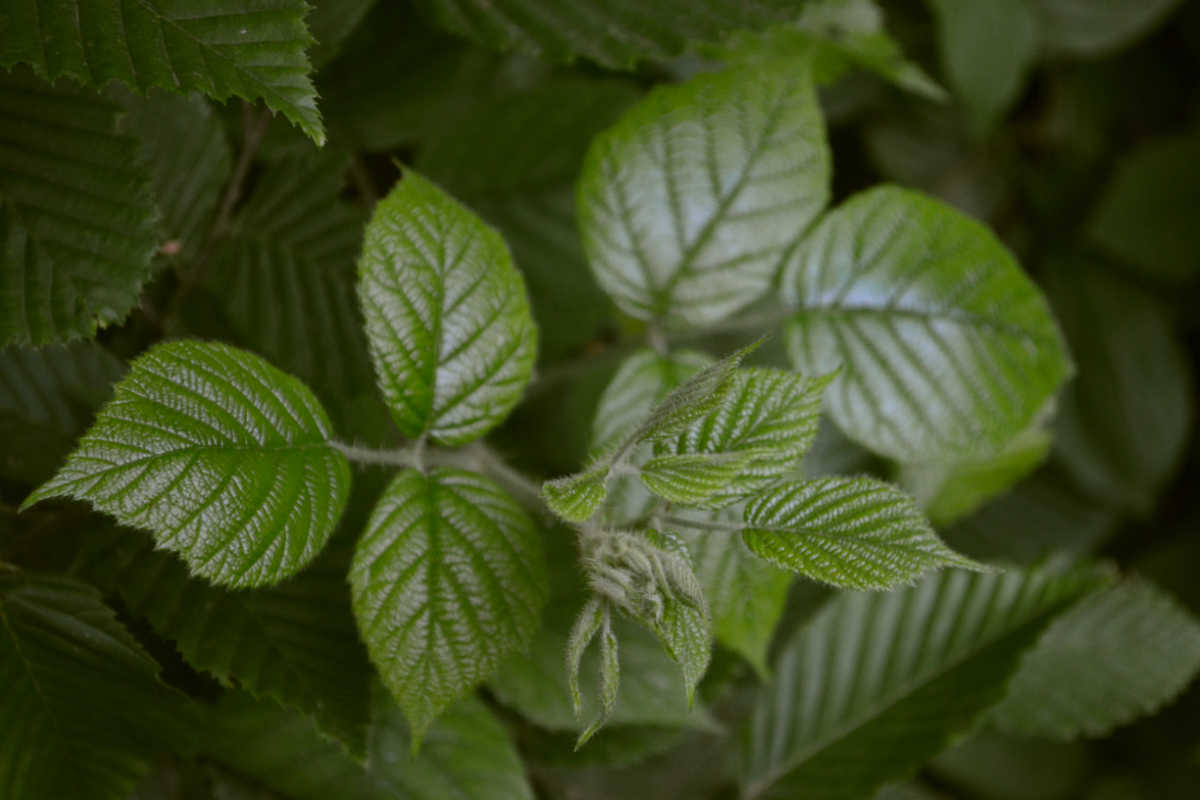
Where to find it: Bramble (Rubus fruticosus), commonly known as blackberry, is widespread across the UK and can be found in hedgerows, woodlands, fields, and along roadsides. Brambles thrive in a variety of soils and conditions, often forming dense, thorny thickets in sunny to partially shaded areas.
What to pick: The young leaves of bramble are the most desirable for culinary and medicinal use. They can be picked throughout the growing season, but the tender, young leaves are best for consumption. The leaves have a mild, slightly astringent flavor.
How to harvest: Use scissors or gently pluck the leaves by hand, taking care not to damage the stems or thorns. Regular harvesting can encourage the plant to produce more leaves. Be mindful of the thorns when handling bramble plants.
How to use it: Bramble leaves can be used fresh or dried to make herbal teas, which are known for their astringent properties and are often used to soothe sore throats and digestive issues. The young leaves can also be added to salads or cooked as a leafy green, similar to spinach. Bramble leaves can be used in infusions, tinctures, and poultices for their medicinal benefits.
Storage: Bramble leaves are best used fresh but can be stored in the refrigerator for a few days. For longer storage, the leaves can be dried and kept in an airtight container. Dried leaves retain their flavor and medicinal properties and can be used for making teas and infusions.
Identification: Look for compound leaves with three to five oval, toothed leaflets. The leaves are dark green and have a slightly rough texture. Bramble plants produce white or pink flowers that develop into blackberries. The stems are thorny and can grow in long, arching canes, often rooting where they touch the ground.
Caution: Bramble leaves are generally safe to eat
Hawthorn Blossoms
Where to find it: Hawthorn (Crataegus species) is native to temperate regions of Europe, North America, and Asia. In the UK, it is commonly found in hedgerows, woodlands, and along field edges. Hawthorn thrives in a variety of soils and conditions, often forming dense thickets in sunny to partially shaded areas.
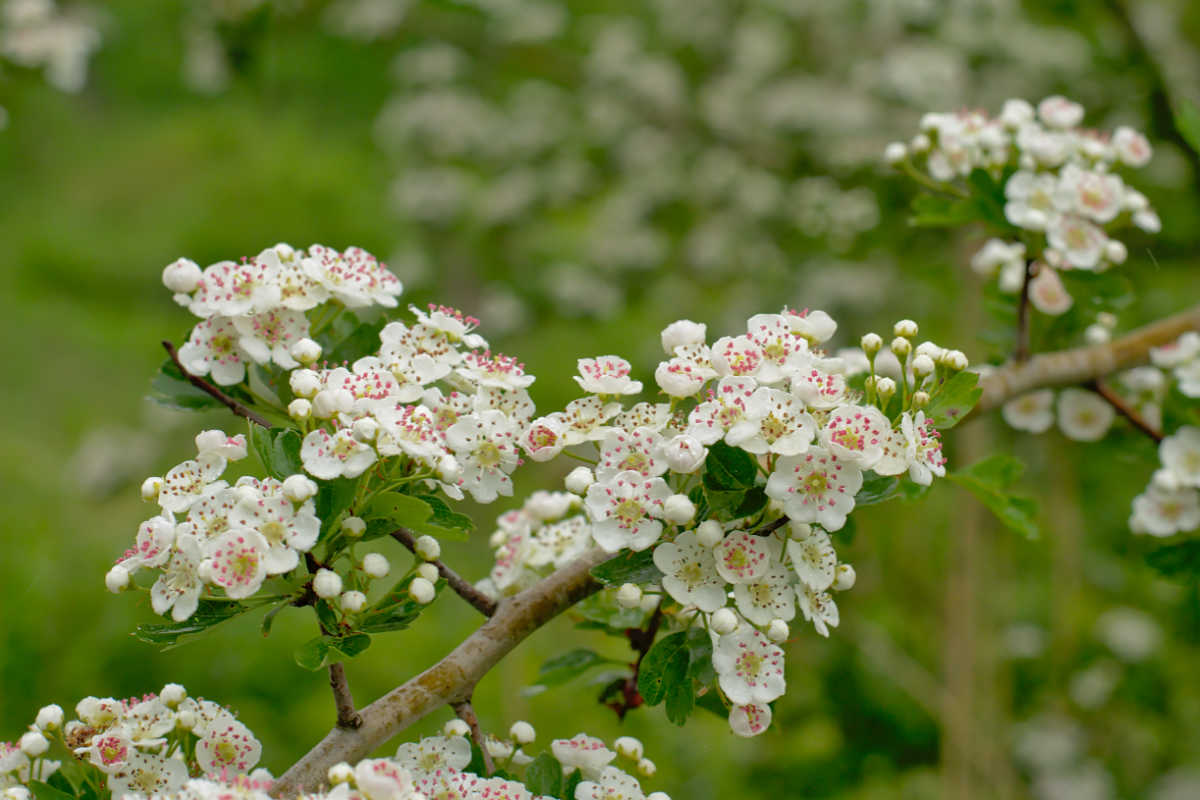
What to pick: The young leaves, flowers, and flower buds of hawthorn are all edible. The flowers, which bloom in late spring, are particularly prized for their delicate flavor. The young leaves can be picked throughout the growing season, but the flowers should be harvested when they are fully open and fresh.
How to harvest: Use scissors or gently pluck the leaves and flowers by hand, taking care not to damage the branches. When harvesting flowers, pick the entire flower cluster. Regular harvesting can encourage the plant to produce more leaves and flowers throughout the season.
How to use it: Hawthorn leaves can be eaten raw in salads or used as a garnish. The flowers can be added to salads, desserts, and beverages for a mild, sweet flavor. Both leaves and flowers can also be used to make herbal teas, which are often enjoyed for their calming and heart-supporting properties.
Storage: Hawthorn leaves and flowers are best used fresh. They can be stored in the refrigerator for a few days. For longer storage, the flowers can be dried and kept in an airtight container. Dried flowers retain their flavor and can be used for making teas and infusions.
Identification: Look for small, deeply lobed leaves with a glossy green appearance. Hawthorn produces clusters of small, white to pinkish flowers with five petals each. The flowers have a distinctive, slightly sweet fragrance. The plant can grow as a shrub or small tree, often reaching heights of up to 15 meters. Hawthorn also produces small red berries (haws) in the autumn.
Caution: Hawthorn leaves and flowers are generally safe to eat
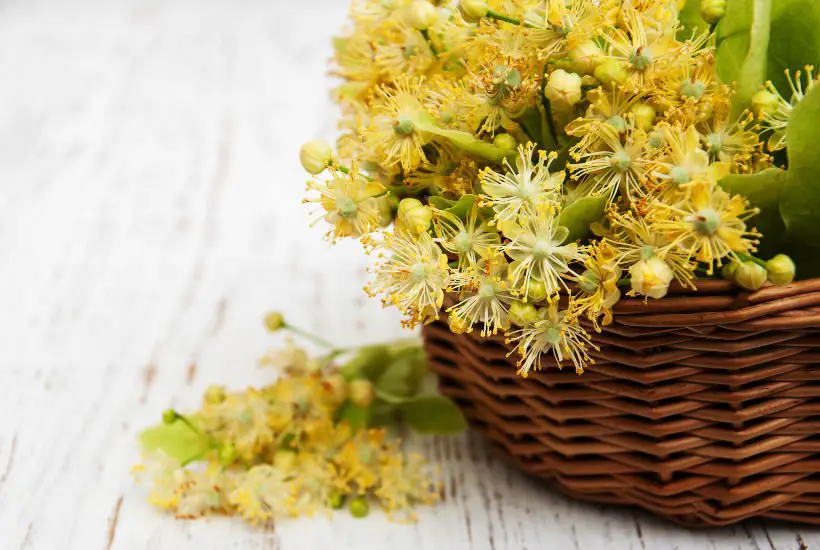
Lime Tree Flowers and Leaves
Where to find it: Lime trees, also known as linden trees (Tilia species), are commonly found throughout Europe, including the UK. They are often planted in parks, gardens, and along streets, but can also be found growing wild in woodlands and hedgerows. Lime trees thrive in well-drained soil and can tolerate a range of light conditions from full sun to partial shade.
What to pick: The young leaves and flowers of lime trees are both edible. The leaves are best picked when they are young and tender in the spring. The fragrant flowers, which bloom in late spring to early summer, are also harvested for their culinary and medicinal uses.
How to harvest: Use scissors or gently pluck the leaves and flowers by hand. When harvesting flowers, pick the entire flower cluster along with the attached bract (a small leaf-like structure). Be careful not to damage the tree, as lime trees can continue to produce leaves and flowers throughout the season.
How to use it: Lime tree leaves can be eaten raw in salads, added to sandwiches, or used as a wrap for other foods. They have a mild, slightly sweet flavor. The flowers can be used to make herbal teas, which are known for their calming properties. The flowers can also be added to salads, desserts, and beverages for a delicate, floral flavour.
Storage: Lime tree leaves are best used fresh but can be stored in the refrigerator for a few days. The flowers can be dried and stored in an airtight container for later use in teas and other preparations. Dried flowers retain their flavor and aroma well.
Identification: Look for heart-shaped leaves with serrated edges and a smooth, glossy texture. The leaves are typically bright green and grow alternately along the branches. Lime trees produce clusters of small, pale yellow to white flowers that are highly fragrant. Each flower cluster is accompanied by a distinctive bract. The trees can grow quite large, often reaching heights of 20 to 40 meters.
Caution: Lime tree leaves and flowers are generally safe to eat and are widely used in culinary and medicinal applications.

Coltsfoot
Where to find it: Coltsfoot (Tussilago farfara) is native to Europe and parts of Asia but is now found in many parts of North America. It commonly grows in disturbed areas such as roadsides, fields, and riverbanks. Coltsfoot thrives in moist, well-drained soils and can often be found in sunny to partially shaded locations.
What to pick: Foraging for coltsfoot is very easy. The young leaves and flowers of coltsfoot are the most commonly harvested parts. The flowers appear in early spring before the leaves, and both can be picked for culinary and medicinal use. The leaves are best harvested when they are young and tender.
How to harvest: Use scissors or gently pluck the leaves and flowers by hand, taking care not to uproot the entire plant. Harvest the flowers when they are fully open and vibrant. The leaves can be picked throughout the growing season.
How to use it: Coltsfoot flowers and leaves can be used to make herbal teas, which are traditionally used to soothe coughs and respiratory issues. The leaves can also be added to salads or cooked as a leafy green. Both parts can be used in infusions, tinctures, and poultices for their medicinal properties.
Storage: Coltsfoot leaves and flowers are best used fresh but can be dried for later use. Store dried leaves and flowers in an airtight container in a cool, dark place. Dried coltsfoot retains its medicinal properties and can be used to make teas and infusions throughout the year.
Identification: Look for bright yellow, dandelion-like flowers that appear in early spring before the leaves. The flowers grow on scaly, unbranched stems. The leaves, which appear after the flowers, are heart-shaped with toothed edges and a woolly underside. Coltsfoot leaves are larger and more rounded than dandelion leaves.
Caution: Coltsfoot contains pyrrolizidine alkaloids, which can be harmful in large quantities or with prolonged use. Pregnant and breastfeeding women, as well as individuals with liver issues, should avoid using coltsfoot.
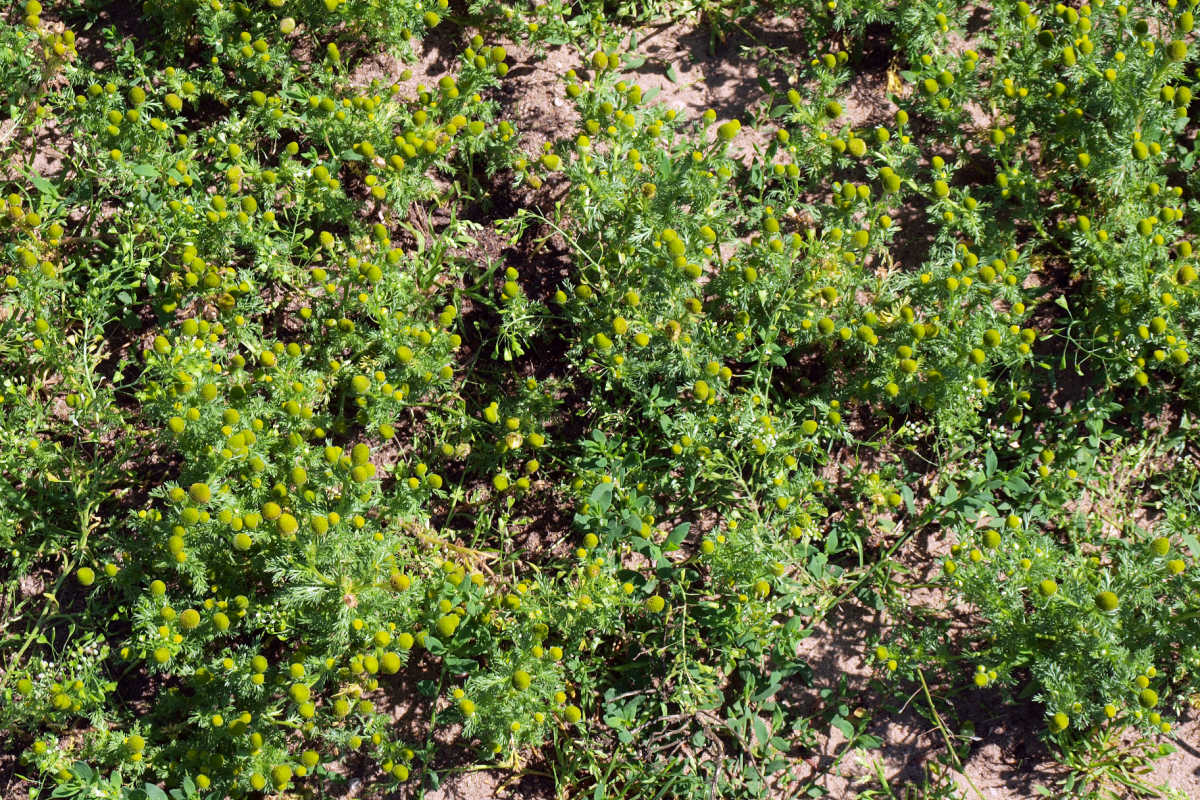
Pineapple Weed
Where to find it: Pineapple weed (Matricaria discoidea), also known as wild chamomile, is native to North America and Northeast Asia but is now widespread across Europe and other parts of the world. It commonly grows in disturbed areas such as roadsides, pathways, gardens, and fields. Pineapple weed thrives in sandy, well-drained soils and sunny locations.
What to pick: The flower heads and leaves of pineapple weed are both edible. The flower heads are the most commonly harvested part and are best picked when they are fully formed but still greenish-yellow. The leaves can be picked at any time but are most tender when young.
How to harvest: Use scissors or gently pluck the flower heads and leaves by hand, taking care not to uproot the entire plant. Be mindful to leave some flowers behind to allow the plant to reproduce.
How to use it: Pineapple weed flower heads can be used fresh or dried to make herbal teas, which are known for their calming properties and pleasant, pineapple-like flavor. The flower heads can also be used to flavor salads, desserts, and beverages. The leaves can be added to salads or used as a garnish. Both parts of the plant can be used in infusions and culinary preparations for a mild, fruity taste.
Storage: Pineapple weed flower heads and leaves are best used fresh but can be stored in the refrigerator for a few days. For longer storage, the flower heads can be dried and kept in an airtight container. Dried flower heads retain their flavor and can be used for making teas and infusions.
Identification: Look for small, cone-shaped, greenish-yellow flower heads that resemble tiny pineapples. The flower heads are composed of numerous tiny, tubular flowers and lack petals. The leaves are finely divided and feathery, similar to those of chamomile. Pineapple weed has a low, spreading growth habit and typically grows to about 10-30 cm in height. The plant emits a distinct pineapple-like aroma when crushed.
Caution: Pineapple weed is generally safe to eat, but some people may experience allergic reactions, so it is best to start with small amounts.
Ground Ivy
Where to find it: Ground ivy (Glechoma hederacea), also known as creeping Charlie, is native to Europe and Asia but is now widespread across North America. It commonly grows in lawns, gardens, woodlands, and along roadsides. Ground ivy thrives in a variety of conditions but prefers moist, shaded areas with well-drained soil.
What to pick: The leaves and flowers of ground ivy are both edible. The leaves are best picked when they are young and tender, while the flowers can be harvested when they are fully open and fresh. The plant has a mild, minty flavor with a hint of bitterness.
How to harvest: Use scissors or gently pluck the leaves and flowers by hand, taking care not to uproot the entire plant.
How to use it: Ground ivy leaves can be eaten raw in salads, added to sandwiches, or used as a garnish. They can also be cooked in soups, stews, and sautés. The flowers can be used to decorate salads, desserts, and beverages, adding a mild, minty flavor. Both leaves and flowers can also be used to make herbal teas, which are often enjoyed for their digestive and respiratory benefits.
Storage: Ground ivy leaves and flowers are best used fresh but can be stored in the refrigerator for a few days. For longer storage, the leaves and flowers can be dried and kept in an airtight container. Dried leaves and flowers retain their flavor and can be used for making teas and infusions.
Identification: Look for round to kidney-shaped leaves with scalloped edges and a slightly hairy texture. The leaves grow opposite each other along square stems, which is characteristic of the mint family. Ground ivy produces small, tubular blue to purple flowers that grow in clusters. The plant has a creeping habit and can form dense mats on the ground.
Caution: Ground ivy is generally safe to eat
Pink Purslane
Where to find it: Pink purslane (Claytonia sibirica), also known as Siberian spring beauty, is native to North America but is now found in many parts of Europe, including the UK. It typically grows in damp, shady environments such as woodlands, stream banks, and moist meadows. Pink purslane thrives in well-drained, fertile soils and prefers partial to full shade.
What to pick: The young leaves, stems, and flowers of pink purslane are all edible. The leaves and stems are best picked when they are young and tender, while the flowers can be harvested when they are fully open and fresh. The plant has a mild, slightly sweet flavor.
How to harvest: Use scissors or gently pluck the leaves, stems, and flowers by hand, taking care not to uproot the entire plant.
How to use it: Pink purslane leaves and stems can be eaten raw in salads, added to sandwiches, or used as a garnish. The flowers can be used to decorate salads, desserts, and beverages, adding a mild, sweet flavor. Both leaves and flowers can also be used to make herbal teas or added to cooked dishes for a subtle, fresh taste.
Storage: Pink purslane leaves, stems, and flowers are best used fresh but can be stored in the refrigerator for a few days. For longer storage, the leaves and flowers can be dried and kept in an airtight container. Dried leaves and flowers retain their flavor and can be used for making teas and infusions.
Identification: Look for smooth, oval-shaped leaves that grow in pairs along the stems. Pink purslane produces delicate, pink to white, five-petaled flowers with dark pink veins. The flowers grow in clusters at the top of the stems. The plant typically grows to about 15-30 cm in height and has a sprawling habit.
Caution: Pink purslane is generally safe to eat
Lady’s Smock
Where to find it: Lady’s smock (Cardamine pratensis), also known as cuckoo flower, is native to Europe and Asia and is commonly found throughout the UK. It typically grows in damp meadows, along riverbanks, in marshes, and other moist, grassy areas. Lady’s smock thrives in wet, nutrient-rich soils and prefers sunny to partially shaded locations.
What to pick: The young leaves, flowers, and flower buds of lady’s smock are all edible. The leaves are best picked when they are young and tender, while the flowers can be harvested when they are fully open and fresh. The flowers have a mild, slightly peppery flavor.
How to harvest: Use scissors or gently pluck the leaves and flowers by hand, taking care not to uproot the entire plant.
How to use it: Lady’s smock leaves can be eaten raw in salads, added to sandwiches, or used as a garnish. The flowers can be used to decorate salads, desserts, and beverages, adding a mild, peppery flavor. Both leaves and flowers can also be used to make herbal teas or added to cooked dishes for a subtle, spicy note.
Storage: Lady’s smock leaves and flowers are best used fresh but can be stored in the refrigerator for a few days. For longer storage, the flowers can be dried and kept in an airtight container. Dried flowers retain their flavor and can be used for making teas and infusions.
Identification: Look for pinnate leaves with several pairs of small, rounded leaflets. Lady’s smock produces clusters of pale pink to lilac, four-petaled flowers that grow on slender stems. The flowers have a slightly sweet fragrance and appear in early to mid-spring. The plant typically grows to about 30-60 cm in height.
Caution: Lady’s smock is generally safe to eat

Cowslip
Where to find it: Cowslip (Primula veris) is native to Europe and can be found throughout the UK. It typically grows in meadows, grasslands, woodland clearings, and along hedgerows. Cowslip thrives in well-drained, sunny locations and often prefers calcareous soils.
What to pick: The young leaves and vibrant yellow flowers of cowslip are both edible. The leaves are best picked when they are young and tender, while the flowers can be harvested when they are fully open and fresh. The flowers have a sweet, fragrant aroma.
How to harvest: Use scissors or gently pluck the leaves and flowers by hand, taking care not to damage the roots.
How to use it: Cowslip leaves can be eaten raw in salads, added to sandwiches, or cooked like spinach. The flowers can be used to decorate salads, desserts, and beverages, adding a sweet, floral flavor. Both leaves and flowers can also be used to make herbal teas, which are often enjoyed for their calming properties.
Storage: Cowslip leaves and flowers are best used fresh but can be stored in the refrigerator for a few days. For longer storage, the flowers can be dried and kept in an airtight container. Dried flowers retain their flavor and aroma and can be used for making teas and infusions.
Identification: Look for rosettes of green, crinkly, tongue-like leaves that grow low to the ground. Cowslip produces clusters of bright yellow, tube-like flowers with a sweet fragrance. The flowers grow on tall, slender stems and have five petals with a darker yellow center. The plant typically grows to about 10-30 cm in height.
Caution: Cowslip is generally safe to eat
Other wild plants you can also find in May
Burdock Leaves, Borage, Bramble Leaves, Common Comfrey Plant, Common Mallow, Goosegrass – Cleavers, Common Sorrel, Dead Nettle Flowers, Elderflowers, Hawthorn Blossoms, Fat Hen, Wild Horseradish, Ground Elder, Wild Thyme, Wild Mint, Herb Robert, Sweet Cicely, Wild Chicory, Meadowsweet, Spearmint, Lime Tree Flowers & Leaves, Chickweed, Silverweed, Red Goosefoot, Dandelion Flowers, Red Clover, Rosebay Willowherb
This blog post was originally written on 30 December 2024 and last updated on 30 December 2024.