Foraging in March – Guide to wild food & Recipes (UK)
As winter slowly fades away and the first hints of spring start to appear, March is the perfect time to dust off your boots and head outdoors for some foraging adventures. The UK’s countryside begins to come alive with fresh, green shoots and edible plants just waiting to be discovered.
Whether you’re a seasoned forager or a curious beginner, there’s something magical about gathering your own wild food straight from nature.
In this blog post, we’ll explore some of the best wild foods you can find in March, where to look for them, and how to enjoy them in your kitchen. It’s great that you can also find February wild plants in March, so there are quite a few different varieties I always find on my country walks.
BEGINNERS GUIDE TO FORAGING
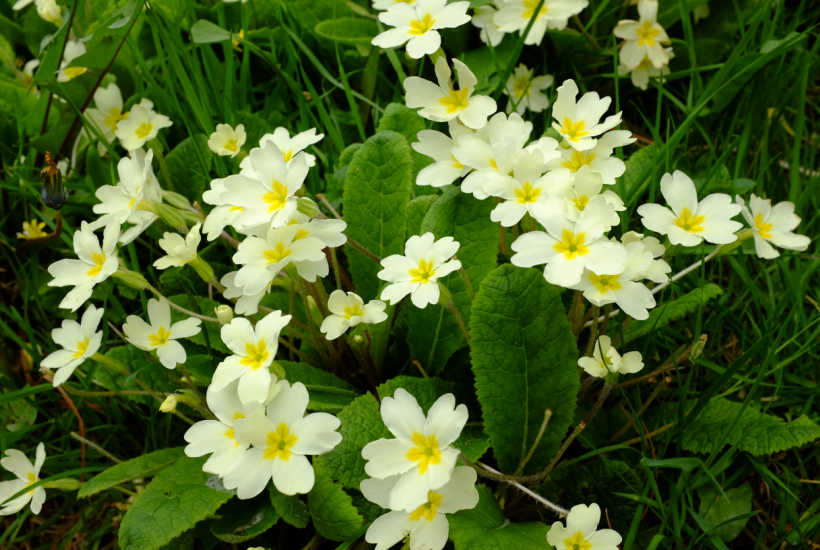
Primrose
Where to find it: Primrose (Primula vulgaris) is native to Europe and can be found in gardens, meadows, woodlands, and grassy verges. It prefers moist, well-drained soil and partial shade, often thriving in cool, temperate climates.
What to pick: The young leaves and flowers of primrose can be harvested. Both are edible, with the leaves offering a mild flavor and the flowers adding a sweet, slightly floral taste. Harvest the leaves before the plant flowers for the best flavour.
How to harvest: Use scissors or gently pluck the leaves and flowers by hand. Be careful not to uproot the entire plant to allow it to continue growing and flowering. Primrose can regrow after harvesting if the roots remain undisturbed.
How to use it: Primrose leaves can be eaten raw in salads or cooked similarly to spinach. The flowers can be used to decorate salads, desserts, or drinks, adding a delicate flavor and visual appeal. Both parts can also be used in herbal teas.
Storage: Primrose leaves and flowers are best used fresh. They do not store well and should be consumed shortly after harvesting. For longer storage, consider drying the flowers for later use in teas or as decorations.
Identification: Look for rosettes of oblong, wrinkled leaves with a slightly hairy texture. The flowers are typically pale yellow with a darker yellow center, though they can also come in shades of pink, purple, and white. The flowers grow individually on short stems and have a delicate, sweet fragrance.
Caution: While primrose is generally safe to eat, some individuals may experience allergic reactions. Always ensure proper identification before consumption, especially when foraging in the wild. Eat in moderation to avoid any potential adverse effects.
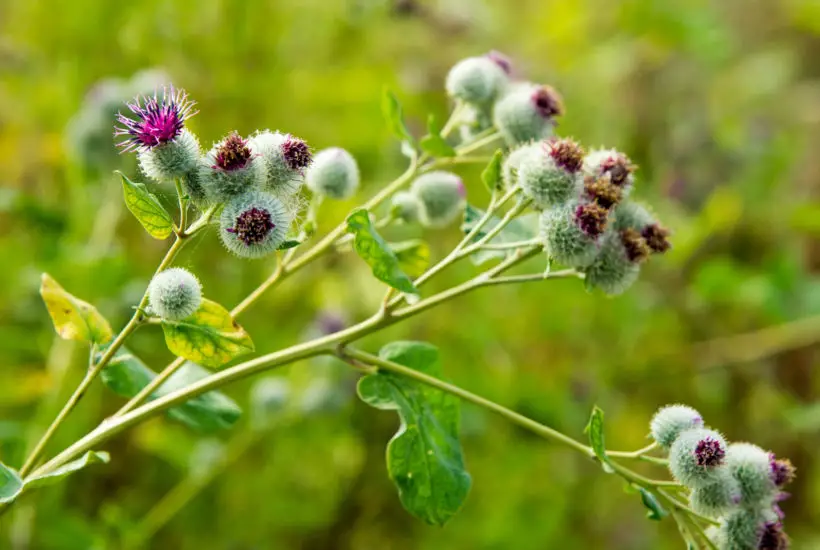
Burdock Leaves
Where to find it: Burdock is native to Europe and Northern Asia but is now widespread across the United States and Canada. It thrives in a variety of habitats including fields, meadows, roadsides, and disturbed areas.
What to pick: The large, heart-shaped leaves of burdock can be harvested. While the leaves are edible, they are often bitter. The young, tender leaves are preferable for consumption. The roots and young shoots are also edible and are often harvested for culinary use.
How to harvest: Use scissors or a knife to cut the leaves close to the base, taking care not to damage the root if you plan to harvest it later. The plant can regrow after cutting if the root is left intact.
How to use it: Burdock leaves can be used in a variety of ways, though they are more commonly used cooked due to their bitterness. They can be added to soups, stews, or sautéed as a green vegetable. The roots are often used in Japanese cuisine, known as “gobo,” and can be added to stir-fries or pickled.
Storage: Burdock leaves should be used soon after harvesting as they do not store well. They can be stored in the refrigerator for a few days, but it’s best to use them fresh. The roots can be stored in a cool, dark place for a longer period.
Identification: Look for large, heart-shaped leaves with a wavy edge and a rough texture. The leaves can grow quite large, up to 18 inches long. The plant produces purple, thistle-like flowers and burrs that stick to clothing and fur.
Caution: While burdock is generally safe to eat, it can sometimes be confused with other, potentially toxic plants. Ensure proper identification before consumption. Some people may have allergic reactions to burdock, and it should be consumed in moderation.

Ground Elder
Where to find it: Ground elder, also known as Aegopodium podagraria, is commonly found in gardens, hedgerows, and woodland areas across Europe and parts of North America. It thrives in shady, moist environments and can often be seen forming dense carpets of foliage.
What to pick: The young, tender leaves of ground elder are best for culinary use. They can be eaten raw or cooked. It is advisable to harvest the leaves before the plant flowers for the best flavor. The stems are also edible but may be more fibrous.
How to harvest: Use scissors or gently pluck the leaves by hand, taking care not to disturb the roots too much. Ground elder can regrow quickly after cutting, so regular harvesting can help manage its spread.
How to use it: Ground elder has a mild, slightly aromatic flavor. The young leaves can be added raw to salads, sandwiches, and smoothies. When cooked, they can be used similarly to spinach in soups, stews, and sautés. The leaves can also be used in herbal teas.
Storage: Ground elder leaves are best used fresh. They do not store well and should be consumed shortly after harvesting. For longer storage, they can be dried or frozen, though this may affect their texture and flavor.
Identification: Look for bright green, toothed leaves that resemble those of elder trees, hence the name “ground elder.” The leaves are compound with three to five leaflets and have a slightly glossy appearance. The plant produces small, white, umbrella-like clusters of flowers.
Caution: Ground elder is considered invasive in many areas and can be difficult to eradicate once established. While it is safe to eat, ensure proper identification before consumption to avoid confusion with other similar-looking plants. Eat in moderation, as with any wild foraged food.
Sweet Cicely
Where to find it: Sweet cicely (Myrrhis odorata) is native to Europe and can be found in gardens, hedgerows, meadows, and along riverbanks. It thrives in moist, partially shaded areas and is often seen growing in the wild in the Northern British Isles.
What to pick: The young leaves, stems, seeds, and roots of sweet cicely can be harvested. The leaves and stems have a sweet, anise-like flavor and are best picked when young and tender. The seeds can be harvested when they are green or fully mature.
How to harvest: Use scissors or gently pluck the leaves and stems by hand, taking care not to damage the plant. The seeds can be collected by hand when they are ready. Sweet cicely can regrow after cutting if the roots are left intact.
How to use it: Sweet cicely leaves can be used fresh in salads, soups, and stews, or cooked like spinach. The stems can be used similarly to celery. The seeds add a sweet, anise flavor to baked goods, desserts, and herbal teas. The roots can be cooked and eaten as a vegetable.
Storage: Sweet cicely leaves and stems are best used fresh. They do not store well and should be consumed shortly after harvesting. The seeds can be dried and stored in an airtight container for later use.
Identification: Look for fern-like, feathery leaves with a sweet, anise scent. Sweet cicely produces clusters of small, white flowers and elongated, ridged seeds. The plant can grow up to 2-3 feet in height and has hairy stems.
Caution: Sweet cicely is generally safe to eat
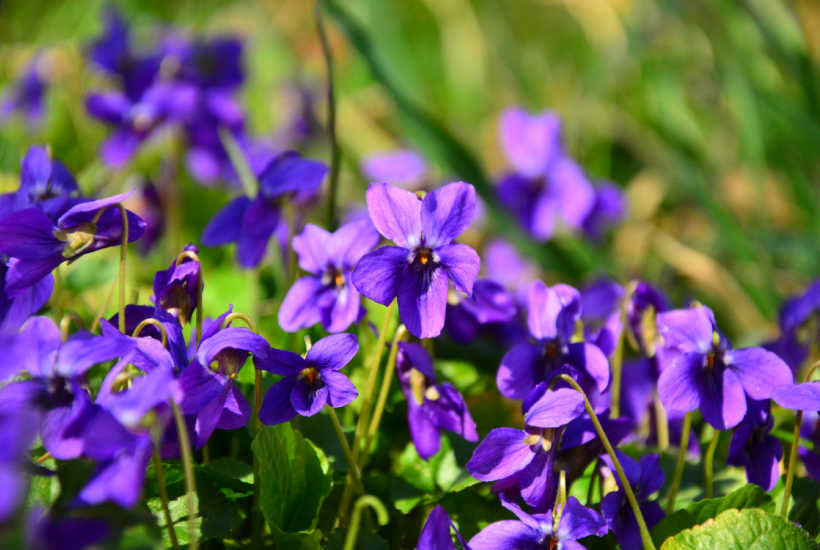
Wild Violets
Where to find it: Wild violets (Viola sororia) are commonly found throughout North America, Europe, and Asia. They thrive in shady, moist environments such as woodlands, lawns, gardens, and along roadsides. These hardy plants can often be spotted forming dense mats in both urban and rural areas.
What to pick: The leaves and flowers of wild violets are both edible. The young, tender leaves can be harvested for salads or cooking, while the flowers are often used for their mild flavor and decorative appeal. It’s best to pick the leaves before the plant flowers for optimal taste.
How to harvest: Use scissors or gently pluck the leaves and flowers by hand. Be careful not to uproot the entire plant to allow it to continue growing and producing more leaves and flowers. Wild violets can regrow after harvesting if the roots remain undisturbed.
How to use it: Wild violet leaves can be eaten raw in salads, sandwiches, or smoothies, and can also be cooked similarly to spinach. The flowers can be used to decorate salads, desserts, or beverages, adding a touch of color and a mild, sweet flavor. Both leaves and flowers can also be used to make herbal teas.
Storage: Wild violet leaves and flowers are best used fresh. They do not store well and should be consumed shortly after harvesting. For longer storage, the flowers can be candied or dried, and the leaves can be frozen or dried for later use.
Identification: Look for heart-shaped leaves with a slightly serrated edge and a smooth texture. The flowers are typically blue-purple with five petals, although white and yellow varieties can also be found. Each flower has dark purple veins that lead to a white throat, and they grow on individual stems above the leaves.
Caution: Wild violets are generally safe to eat

Winter Sea Cabbage
Where to find it: Winter sea cabbage, also known as sea kale (Crambe maritima), is native to the coastal regions of Europe. It can be found along sandy and rocky shorelines, thriving in saline environments. It is often cultivated in gardens for its edible leaves and shoots.
What to pick: Foraging for wild cabbage is easy and the young leaves and shoots of winter sea cabbage are the best to harvest. The leaves have a tender texture and a mild, cabbage-like flavor. The shoots, known as “sea kale thongs,” are harvested in early spring before they fully open.
How to use it: Winter sea cabbage leaves can be eaten raw in salads or cooked similarly to spinach, steamed, or sautéed. The shoots can be blanched and used in dishes much like asparagus. Both parts can be added to soups, stews, or used as a side vegetable.
Identification: Look for thick, fleshy leaves with a blue-green color and a slightly wavy edge. The plant forms a rosette of leaves at the base and produces white, fragrant flowers in clusters during the summer. The shoots are pale and tender when harvested early in the season.

Hogweed
Where to find it: Hogweed (Heracleum sphondylium), also known as common hogweed, is native to Europe and Asia. It is commonly found in fields, meadows, along roadsides, and in hedgerows. It thrives in a variety of habitats, particularly in moist, nutrient-rich soils.
What to pick: The young shoots, leaves, and flower buds of hogweed can be harvested for culinary use. The shoots and leaves are best picked when young and tender before the plant flowers. The seeds can also be harvested and used as a spice.
How to harvest: Use gloves and scissors or a knife to cut the shoots and leaves, taking care not to damage the main plant. The flower buds can be harvested before they open. Exercise caution when handling hogweed to avoid skin irritation from its sap.
How to use it: Hogweed shoots can be used similarly to asparagus, steamed, boiled, or sautéed. The young leaves can be added to soups, stews, and salads, or cooked like spinach. The flower buds can be pickled or added to dishes as a vegetable. The seeds can be dried and used as a spice, imparting a citrusy flavor.
Storage: Hogweed shoots and leaves are best used fresh. They can be stored in the refrigerator for a few days but should be consumed soon after harvesting. The seeds can be dried and stored in an airtight container for later use as a spice.
Identification: Look for large, deeply lobed leaves with a rough texture and hollow, ridged stems that are often covered in bristly hairs. The plant produces large, flat-topped clusters of small white flowers. Hogweed can grow up to 2 meters tall and has a distinctive, unpleasant odor when the leaves are crushed.
Caution: Hogweed sap can cause severe skin irritation and photosensitivity, leading to burns and blisters when exposed to sunlight. Always wear gloves and protective clothing when handling the plant. Ensure proper identification before consumption to avoid confusion with giant hogweed (Heracleum mantegazzianum), which is highly toxic.
More wild plants that you can also find in March
Alexanders, Birch Sap, Black Mustard, Chickweed, Chives, Cockles, Common Mallow, Nettles, Common Sorrel, Corn Salad, Crab (Brown), Crow Garlic, Dandelion Leaves & Roots, Fat Hen, Goosegrass (Cleavers Plant), Cow Parsley Gorse Flowers, Hare, Hogweed, Hop Shoots, Jack by the Hedge, Morel, Pignut, Plantain (Broadleaf & Ribwort), Perennial Wall Rocket, Pollack, Rock Oysters, Sea Kale, Sea Trout, Velvet Shank, Watercress, Wild Garlic, Wood Sorrel, Sheep Sorrel, Wild Sorrel Leaves, Winter Cress.
This blog post was originally written on 29 December 2024 and last updated on 29 December 2024.