Foraging in September – Guide to wild food & Recipes
September is one of my favourite months to forage. There are plenty of herbs, plants, fruits and berries you can pick and eat straightaway, but it’s also a perfect month to add to your winter stash of foraged food.
Most berries can be turned into jams, chutneys or syrups and leaves and flowers can be dried and kept for use in winter to make herbal tea.
September foraging also overlaps with August and October (even November), so make sure you check out my other posts to see what’s in season.
FORAGING RESOURCES
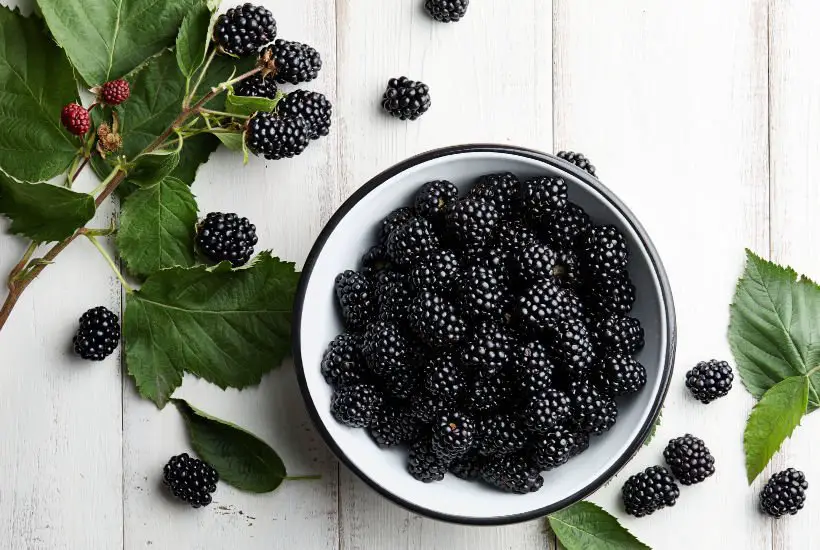
Blackberry
Where to find it: Blackberries (Rubus fruticosus) are native to Europe and are commonly found throughout the UK. They typically grow in hedgerows, woodlands, and along roadsides. Blackberries thrive in a variety of soils and conditions, often forming dense, thorny thickets in sunny to partially shaded areas.
What to pick: The berries and young leaves of the blackberry plant are both edible. The berries are best picked when they are fully ripe, which is usually from late summer to early autumn. The young leaves can be harvested throughout the growing season.
How to harvest: Use gloves and scissors to carefully pick the ripe berries, as blackberry bushes have sharp thorns. The berries should be plump, dark purple to black, and easily come off the stem when gently pulled. The young leaves can be plucked by hand, taking care not to damage the plant .
How to use it: Blackberries can be eaten fresh or used into pies, jams, jellies, and desserts. They can also be used to make beverages like smoothies, juices, and wine. The young leaves can be used to make herbal teas, which are often enjoyed for their astringent properties and digestive benefits.
Storage: Fresh blackberries should be stored in the refrigerator and used within a few days. For longer storage, they can be frozen, dried, or made into preserves. The young leaves can be dried and stored in an airtight container for later use in teas.
Identification: Look for compound leaves with three to five oval, toothed leaflets. The leaves are dark green and have a slightly rough texture. Blackberry plants produce clusters of white or pink flowers that develop into blackberries. The stems are thorny and can grow in long, arching canes, often rooting where they touch the ground.
Caution: Blackberries are generally safe to eat

Beech Nuts
Where to find it: Beech nuts come from beech trees (Fagus species), which are native to temperate regions of Europe, Asia, and North America. In the UK, beech trees are commonly found in woodlands, parks, and along hedgerows. They thrive in well-drained soils and prefer sunny to partially shaded locations.
What to pick: The nuts, also known as beechmast, are the edible part of the beech tree. They are best harvested in the autumn when they fall to the ground. Look for nuts that are brown and free from mold or insect damage. The nuts are encased in a spiky husk that splits open when the nuts are ripe.
How to harvest: Gather beech nuts from the ground, selecting those that are healthy and free from cracks or holes. You can also gently shake the branches of the beech tree to release any remaining ripe nuts. Be sure to collect only what you need and leave some for wildlife.
How to use it: Beech nuts can be eaten raw, though they contain small amounts of tannins and saponins, which can be slightly toxic in large quantities. To reduce these compounds, it’s best to roast or boil the nuts before eating. Beech nuts can be used in baking, added to salads, or ground into flour. They have a sweet, nutty flavor that makes them a tasty addition to various dishes.
Storage: Fresh beech nuts should be stored in a cool, dry place and used within a few weeks. For longer storage, they can be dried or roasted and kept in an airtight container. Dried or roasted beech nuts can be used for several months.
Identification: Look for large, deciduous trees with smooth, gray bark and oval, pointed leaves with wavy edges. Beech trees produce small, triangular nuts encased in spiky, burr-like husks. The nuts are typically brown and shiny when ripe. Beech trees can grow up to 40 meters in height and have a broad, spreading canopy.
Caution: While beech nuts are generally safe to eat, they also contain small amounts of tannins and saponins, which can be slightly toxic if consumed in large quantities. Always roast or boil the nuts to reduce these compounds.

Rosehips
Where to find it: Rosehips are the fruit of wild rose bushes, particularly the dog rose (Rosa canina) and other species like the rugosa rose (Rosa rugosa). These bushes are commonly found in hedgerows, woodlands, and along roadsides throughout the UK. Rose bushes thrive in a variety of soils and conditions, often preferring sunny locations.
What to pick: The bright red or orange rosehips are the edible part of the rose bush. They are best harvested after the first frost in autumn, which helps to soften them and enhance their sweetness. Look for firm, plump rosehips that are free from mold or insect damage.
How to harvest: Foraging for rosehips is very easy. Use scissors or gently twist the rosehips by hand to remove them from the bush. Be mindful of the thorns on the rose bushes and wear gloves to protect your hands.
How to use it: Rosehips can be used to make a variety of culinary and medicinal preparations. They are high in vitamin C and can be used to make syrups, jams, jellies, and teas. To prepare rosehips, first remove the seeds and hairs inside, as these can be irritating. The outer flesh can then be used fresh, dried, or cooked. Rosehip syrup is a popular traditional remedy for colds and flu, and rosehip tea is enjoyed for its tangy flavor and health benefits.
Storage: Fresh rosehips should be used within a few days or stored in the refrigerator. For longer storage, they can be dried and kept in an airtight container. Dried rosehips retain their flavor and nutritional properties and can be used for making teas and other preparations throughout the year.
Identification: Look for wild rose bushes with arching stems covered in sharp thorns. The leaves are pinnate, with several oval leaflets arranged along a central stem. Rose bushes produce fragrant, five-petaled flowers that are usually pink or white. The rosehips are small, round to oval fruits that turn bright red or orange when ripe, typically appearing in late summer to autumn.
Caution: Rosehips are generally safe to eat, but always remove the seeds and hairs inside the rosehips, as they can cause irritation if ingested.
RECIPES

Walnuts
Where to find it: English walnuts (Juglans regia), also known as Persian walnuts, are native to the region stretching from the Balkans to the Himalayas and southwest China. They are widely cultivated and can be found in orchards, gardens, and parks across the UK. English walnut trees thrive in well-drained, fertile soils and prefer sunny locations.
What to pick: The nuts are the edible part of the English walnut tree. They are best harvested in late autumn when the green husks begin to split open, revealing the hard-shelled walnuts inside. Look for nuts that have fully matured and fallen to the ground, or gently shake the branches to release them.
How to harvest: Gather the fallen walnuts from the ground, or use a long pole to shake the branches and dislodge the nuts. Wear gloves to protect your hands from the staining juice of the green husks. Remove the husks to reveal the hard-shelled walnuts inside. Collect only the healthy, intact nuts and leave any damaged or moldy ones behind.
How to use it: English walnuts can be eaten raw, roasted, or used in a variety of culinary dishes. They have a rich, buttery flavor and are a popular ingredient in baking, salads, and desserts. Walnuts can also be used to make nut butter, added to granola, or incorporated into savory dishes like stuffing and pesto. They are rich in healthy fats, protein, and antioxidants, making them a nutritious addition to your diet.
Storage: Fresh walnuts should be dried in their shells for a few weeks to improve their flavor and shelf life. Once dried, they can be stored in a cool, dry place for several months. Shelled walnuts can be kept in an airtight container or frozen to extend their shelf life. Properly stored walnuts can last for up to a year.
Identification: Look for large, deciduous trees with a broad, spreading canopy and grayish-brown bark. The leaves are pinnate, composed of several oval leaflets arranged along a central stem. English walnut trees produce round, green husks that split open to reveal the hard-shelled walnuts inside. The nuts are typically oval-shaped with a rough, textured shell and a rich, brown color.
Caution: English walnuts are generally safe to eat

Elderberries
Where to find it: Elderberries come from the elder tree (Sambucus nigra), which is native to Europe and commonly found throughout the UK. Elder trees typically grow in hedgerows, woodlands, and along roadsides and riverbanks. They thrive in a variety of soils and conditions, often preferring moist, well-drained areas with plenty of sunlight.
What to pick: The dark purple to black berries are the edible part of the elder tree. They are best harvested in late summer to early autumn when they are fully ripe and hanging in heavy clusters. Look for berries that are plump, juicy, and free from mold or insect damage. Avoid green or red berries, as they are not yet ripe and can be toxic.
How to harvest: Use scissors or pruning shears to cut the entire berry cluster from the tree. Handle the berries gently to avoid crushing them. Collect only the ripe, healthy berries and leave some clusters behind for wildlife.
How to use it: Elderberries should not be eaten raw, as they contain compounds that can cause stomach upset. Instead, cook the berries to make them safe for consumption. They can be used to make a variety of culinary and medicinal preparations, such as jams, jellies, syrups, wines, and pies. Elderberry syrup is a popular traditional remedy for colds and flu, known for its immune-boosting properties. The berries can also be used to make teas, tinctures, and other herbal remedies.
Storage: Fresh elderberries should be used within a few days or stored in the refrigerator. For longer storage, they can be frozen, dried, or made into preserves. Dried elderberries can be kept in an airtight container and used for making teas and other preparations throughout the year.
Identification: Look for elder trees with compound leaves composed of 5-7 leaflets arranged in pairs along a central stem. The leaves are serrated and have a slightly toothed edge. Elder trees produce clusters of small, creamy-white flowers in late spring to early summer, followed by clusters of small, dark purple to black berries in late summer to early autumn. The berries grow in drooping clusters and are typically round and shiny.
Caution: Elderberries must be properly cooked before consumption to neutralize the toxic compounds they contain. Eating raw elderberries, as well as other parts of the elder tree (such as leaves, stems, and unripe berries), can cause nausea, vomiting, and diarrhea.

Hazelnuts
Where to find it: Hazelnuts come from the hazel tree (Corylus avellana), which is native to Europe and widely distributed across the UK. Hazel trees are commonly found in woodlands, hedgerows, and along field edges. They thrive in well-drained soils and prefer sunny to partially shaded locations.
What to pick: The nuts, encased in a hard shell surrounded by a leafy husk, are the edible part of the hazel tree. They are best harvested in late summer to early autumn when the nuts fall to the ground or can be easily shaken from the branches. Look for nuts that are brown and free from mold or insect damage.
How to harvest: Gather hazelnuts from the ground or gently shake the branches to release the ripe nuts. Use gloves to protect your hands, as the husks can sometimes be prickly. Collect only the healthy, intact nuts and leave some behind for wildlife.
How to use it: Hazelnuts can be eaten raw, roasted, or ground into flour. They have a rich, buttery flavor that makes them a popular ingredient in both sweet and savory dishes. Roasted hazelnuts can be added to salads, baked goods, and desserts, or used to make nut butter and praline. Ground hazelnuts are often used in baking and can be mixed with other flours. Hazelnuts are also a key ingredient in many traditional recipes, such as hazelnut spread and hazelnut liqueur.
Storage: Fresh hazelnuts should be dried in their shells for a few weeks to improve their flavor and shelf life. Once dried, they can be stored in a cool, dry place for several months. Shelled hazelnuts can be kept in an airtight container or frozen to extend their shelf life.
Identification: Look for hazel trees with multiple stems and smooth, gray-brown bark. The leaves are round to oval with a pointed tip and serrated edges. Hazel trees produce small, yellow catkins in early spring, followed by clusters of nuts encased in leafy husks. The nuts are typically round and brown with a hard shell.
Caution: Hazelnuts are generally safe to eat

Rowan Tree Berries
Where to find it: Rowan Tree Berries (Sorbus aucuparia), also known as mountain ash, are native to Europe and Asia but are widely distributed across the UK. They are commonly found in woodlands, hedgerows, parks, and gardens. Rowan trees thrive in a variety of soils and conditions, often preferring well-drained soils and sunny to partially shaded locations.
What to pick: The bright red or orange berries of the rowan tree are the edible part. They are best harvested in late summer to early autumn when they are fully ripe and vibrant in color. Look for berries that are plump and free from mold or insect damage.
How to harvest: Use scissors or gently pluck the berry clusters by hand, taking care not to damage the branches. Collect only the ripe, healthy berries and leave some behind for wildlife. Rowan berries are often very tart, so they are typically not eaten raw.
How to use it: Rowan berries are rich in vitamin C and can be used to make a variety of culinary and medicinal preparations. They are commonly used to make jellies, jams, wines, and syrups. The berries can also be added to sauces, chutneys, and baked goods for a unique, tangy flavor. To reduce their tartness and remove any bitterness, the berries are often cooked or processed before consumption. Rowan berry jelly is a traditional accompaniment to game meats and cheeses.
Storage: Fresh rowan berries should be used within a few days or stored in the refrigerator. For longer storage, they can be frozen, dried, or made into preserves. Dried rowan berries can be kept in an airtight container and used for making teas and other preparations throughout the year.
Identification: Look for small to medium-sized deciduous trees with smooth, gray bark and pinnate leaves composed of several oval leaflets with serrated edges. Rowan trees produce clusters of small, white flowers in late spring to early summer, followed by clusters of bright red or orange berries in late summer to early autumn. The berries are small, round, and grow in dense clusters.
Caution: While rowan berries are generally safe to eat, but raw berries contain parasorbic acid, which can cause stomach upset if consumed in large quantities. Cooking or processing the berries neutralizes this compound, making them safe to eat.
Other plants that are in season in september
Sloe, Apples, Bolete Mushrooms, Chanterelle Mushrooms, Chestnuts, Chickweed, Dandelions, Figs, Gingko nuts, Hedgehog Mushrooms, Hen of the Woods Mushrooms, Milkcap Mushrooms, Lions Mane Mushrooms, Puffball Mushrooms, Mint, Pine Nuts, Parasol Mushrooms, Prickly Pears, Shaggy Mane Mushrooms, Sheep Sorrel, Wild Grapes
This blog post was originally written on 30 December 2024 and last updated on 30 December 2024