Foraging and the Law in the UK: The Ultimate Guide (2026)
Foraging in the UK is a beautiful way to connect with nature, but it is often shrouded in legal myths. Many believe it is entirely illegal to “trespass” or pick plants on private land, while others think they have a “right to roam” and harvest everything in sight.
The truth lies in a balance of three key pieces of legislation: The Theft Act (1968), The Wildlife and Countryside Act (1981), and Local Bylaws.
FORAGING RESOURCES
- Foraging Guide – Getting started with foraging in the UK >>
- Best foraging books to get you started with wild food >>

The “Four Fs” Rule (The Theft Act 1968)
The most important legal protection for foragers in England and Wales is Section 4(3) of the Theft Act 1968.
Under this law, it is not considered theft to pick the “Four Fs” from wild plants growing on any land (even private land), provided it is for personal use and not for “reward or sale.”
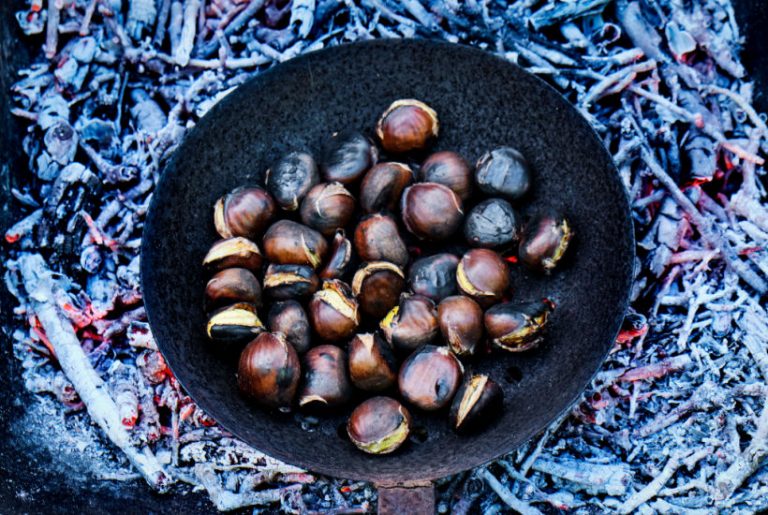
- Fruit: Berries, nuts, drupes.
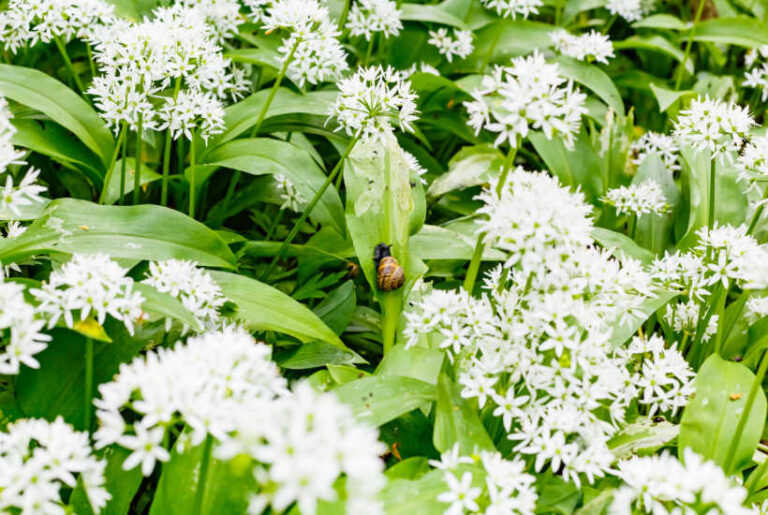
- Foliage: Leaves, stems, herbs.
- Flowers: Petals, blossoms.
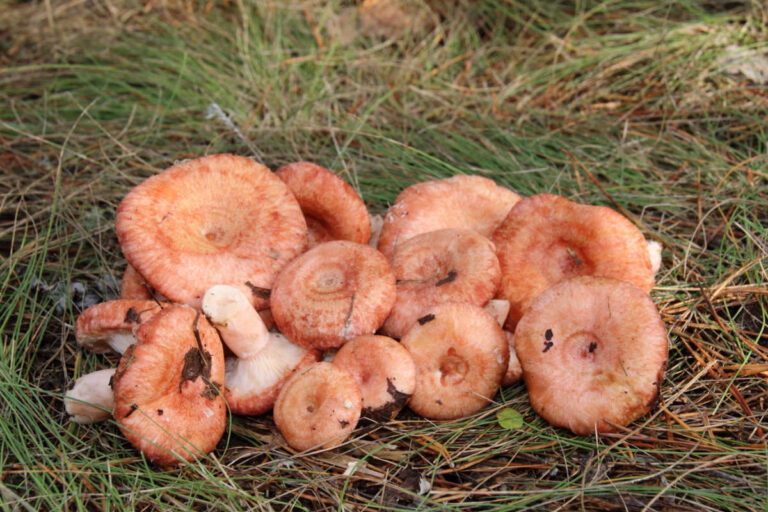
- Fungi: Mushrooms and toadstools.
Crucial Distinction: This only applies to plants growing wild. Picking apples from an orchard, roses from a garden, or crops from a farmer’s field is still theft, as these are “cultivated” and considered property.
MORE FORAGING RESOURCES
- Monthly Foraging Guide – What’s in season now >>
- 190 Completely Unique Foraging Quotes, Jokes & Sayings >>

The Uprooting Law (Wildlife & Countryside Act 1981)
While you can pick the leaves and fruit, you generally cannot take the whole plant.
Under the Wildlife and Countryside Act 1981, it is an offence to intentionally uproot any wild plant without the permission of the landowner or occupier.
- Uprooting means digging it out of the ground or removing the bulb/root system.
- The Exception: You can forage roots (like Dandelion or Burdock) only if you have explicit permission from the landowner.
Protected Species (Schedule 8)
Some plants are so rare that it is a criminal offence to even pick a single leaf or flower. These are listed under Schedule 8 of the Wildlife and Countryside Act.
Commonly confused protected species include certain wild orchids and the Bluebell (specifically, you cannot trade or sell wild-picked Bluebells). As an authority, you should always advise: “If you aren’t 100% sure what it is, don’t pick it.”
MORE FORAGING RESOURCES
- Foraging in January – Guide to wild food & recipes >>
- Foraging in February – Guide to wild food & recipes >>
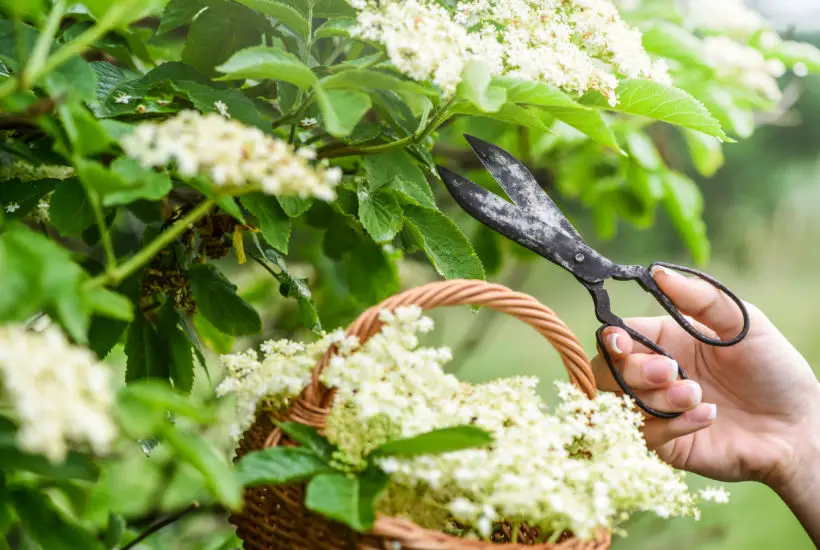
Commercial Foraging vs. Personal Use
The “Four Fs” protection evaporates the moment you intend to sell your finds.
- Personal Use: Picking a basket of blackberries for a family crumble is legal.
- Commercial Use: Picking those same blackberries to sell to a local restaurant or at a farmers’ market without the landowner’s permission is theft.
To forage commercially, you must have a formal agreement with the landowner.
MORE FORAGING RESOURCES
- Foraging in March – Guide to wild food & recipes >>
- Foraging in April – Guide to wild food & Recipes >>
Where Can You Forage? (Trespass vs. Access)
In the UK, “Trespass” is largely a civil matter rather than a criminal one (unless it is “Aggravated Trespass” or on specific high-security sites like railways or military land).
| Land Type | Foraging Status | Notes |
| Public Footpaths | Legal | Stay on the path; foraging the hedgerow is generally accepted. |
| Common Land | Legal | Historically intended for local use; perfect for foraging. |
| National Trust | Mostly Legal | They generally allow “moderate” picking for personal use. |
| SSSI Sites | Restricted | Sites of Special Scientific Interest. Foraging here can be illegal if it disturbs protected habitats. |
| Royal Parks | Prohibited | Places like Richmond Park or Epping Forest often have specific Bylaws that ban all picking. |
The Forager’s Code of Ethics
To be a respected member of the community, your foraging should go beyond “what is legal” and focus on “what is sustainable.”
- The 1/3rd Rule: Take a third for yourself, leave a third for wildlife, and leave a third for the plant to reproduce.
- Minimal Impact: Tread carefully to avoid crushing delicate mycelium (mushroom networks) or rare ground flora.
- Safety First: Never forage near busy roads (pollution) or areas sprayed with pesticides.
- Foraging in May – Guide to wild food & recipes >>
- Foraging in June – Guide to wild food & recipes >>

A simple checklist to follow
- Is it for personal use? (Yes = Legal)
- Am I uprooting it? (No = Legal)
- Is it a protected species? (No = Legal)
- Do local bylaws forbid it? (Check signs at park entrances!)
The Scotland vs. England/Wales Distinction
UK foraging law is not uniform. If your readers are in Scotland, the rules are significantly different due to the Land Reform (Scotland) Act 2003.
- The Right of Access: In Scotland, you have a “right to be on land” for recreational purposes, which includes non-commercial foraging.
- The Difference: While England relies on the “Four Fs” via the Theft Act, Scotland’s “Outdoor Access Code” is much broader but carries a heavier emphasis on “responsible behavior.”
MORE FORAGING RESOURCES
- Foraging in July – Guide to wild food & recipes >>
- Foraging in August – Guide to wild food & recipes >>
SSSI (Sites of Special Scientific Interest)
This is a huge trap for foragers. Even if you are picking the “Four Fs” for personal use, if that land is designated as an SSSI, the standard rules may not apply.
- Natural England (or NatureScot) can issue “nature conservation orders” that make picking anything a criminal offense to protect the delicate balance of that specific ecosystem.
- My top tip: Use the Magic Map Application (a government tool) to check if your foraging spot is an SSSI.
Foraging from the Seashore
- The intertidal zone (between high and low tide) is largely owned by the Crown.
- Generally, gathering “seaweed cast up on the shore” is permitted, but “harvesting” living seaweed or shellfish often requires a permit or must adhere to local Inshore Fisheries and Conservation Authorities (IFCA) size limits.
MORE FORAGING RESOURCES
- Foraging in September – Guide to wild food & recipes >>
- Foraging in October – Guide to wild food & recipes >>

Special Bylaws (The “Epping Forest” Clause)
Local authorities can also override national law.
- Example: In Epping Forest or New Forest, the “Four Fs” don’t protect you. Because these areas are managed under specific Acts of Parliament, people are regularly fined for picking mushrooms or chestnuts.
- My top tip: Always look for “No Foraging” or “No Picking” signs at the entrance of local nature reserves.
MORE FORAGING RESOURCES
- Foraging in November – Guide to wild food & recipes >>
- Foraging in December – Guide to wild food & Recipes >>
The “Toxic” Legal Side: Liability
- Duty of Care: If you are leading a walk or giving away foraged food, you have a “Duty of Care.”
- Food Safety Act 1990: While this primarily applies to businesses, if you give someone wild food that is “unfit for human consumption,” you could technically be liable under civil law.
This blog post was originally written on 25 December 2025 and last updated on 26 August 2026