How To Save Money On Big Home Renovations
Every home needs a little love and care from time to time. As such, a renovation might be just the thing you’re looking for, but you might be worried about it breaking the bank. It’s very easy to overspend on big home projects, but that doesn’t mean that you can’t also make them a lot cheaper if you’re smart about it. Here, we’ll look at a few cost-saving strategies to help you keep renovations more manageable.
Set a Budget
First of all, you should make sure that you have a clear budget. Setting a budget helps you put a hard limit on your spending, as well as a target to aim for. However, it also involves doing a little research and getting realistic expectations of what your renovation is going to cost, including labor, parts, and any permits. Make sure that you set roughly 10% of your whole budget aside as a contingency fund to help you cope with unexpected costs, as well. They’re more common than you might think.
DIY The Non-Technical Stuff
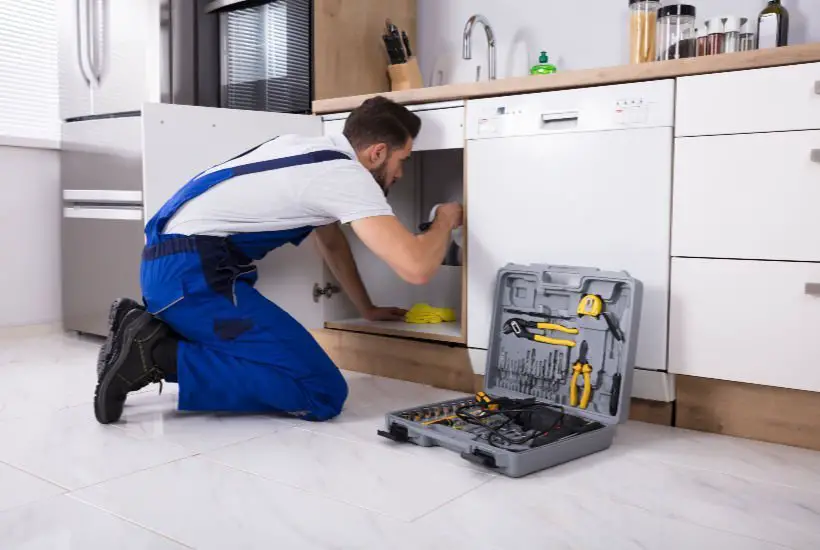
While you should always be mindful of what your limits are, in terms of what you can and can’t do yourself, there might be some tasks that you don’t need any help with. Technical jobs such as plumbing and electrical need to be left to the experts for both safety and legal compliance. However, there are some renovation jobs you can DIY, such as painting your walls, removing old cabinets and fixtures, and landscaping your garden. There are online tutorials for all of these that you can easily learn from.
Get Quotes From Multiple Contractors
You’re likely going to need to hire some contractors for any major renovation, and this is going to cost you, there’s no doubt about that. However, the costs of a project can differ widely depending on who you choose. Try to obtain quotes from at least three contractors in your area. While you should pay attention to the differences in price, see if these are reflected in the timelines, scope of the work, and the experience that they bring to the job, as well. Sometimes, the cheapest isn’t always the best option, but you should be able to find a balance between cost-effectiveness and reliability.

Source Your Fixtures Carefully
If you’re buying new appliances and electrical fixtures, then you should make sure that you buy them from the right suppliers. Going with traditional retailers for things like lighting fixtures, outlets, and other components can get pricey, quickly. Instead, you might want to look at the offerings from electrical wholesalers. These providers can offer even better deals if you’re willing to buy multiple things at once from them, which can make them a smart choice for any major renovations. You can keep the costs lower while still getting appliances and fixtures of the same quality.
Consider Cost-Effective Materials
Aside from your appliances and fixtures, you should think about which materials you use throughout your home, as well. Cost-effective materials aren’t necessarily lower quality, often they’re just not quite as rare. Options such as laminate flooring and wall panels are able to mimic the appearance of high-end materials at a fraction of the cost. They often bring their own advantages, as well, such as how quartz countertops can be a lot easier to clean than their more expensive stone counterparts. Shopping for materials during sales or looking for discontinued lines can help you save even more.
Avoiding Changing Your Utility Layout Where Possible
Some major renovations may demand that you change your plumbing or wiring to account for new fixtures and features. However, relocating these can mean major increases to the cost of the work, due to the labor and expertise needed. Even moving one sink means rerouting your pipes. If you’re looking to cut the costs of your work, then you should look at keeping your existing layouts. You can still upgrade them significantly by replacing existing fixtures. Just keep them where the old ones used to be.
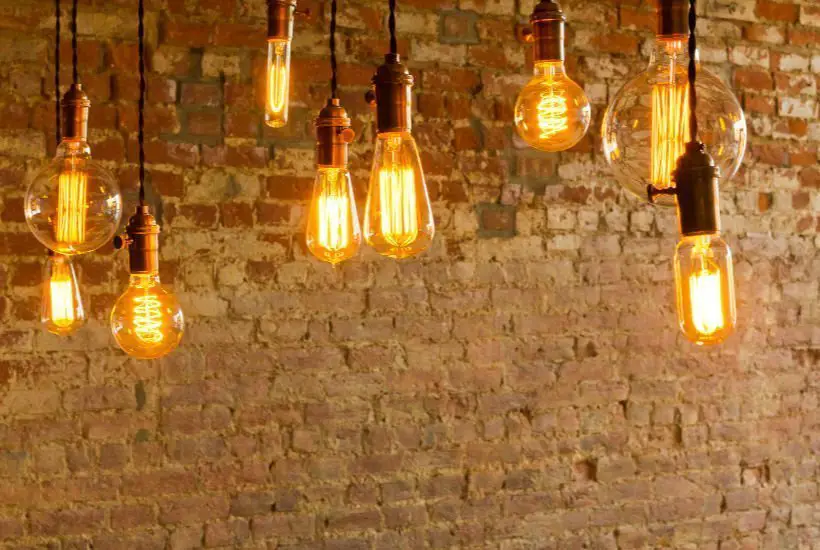
Although they tend to come with something of an initial investment demand, switching to energy-efficient appliances can help you save money in the long run. Saving energy in the home means reducing your energy bills. Aside from looking for fixture replacements, like smart LED bulbs, you can also choose appliances with a better energy efficiency rating. This includes things like energy-efficient refrigerators and dishwashers, smart thermostats to better control heating and cooling in the home, and tankless water heaters that can also improve your access to on-demand water. Of course, you can really maximize your energy savings by switching to solar panels or similarly renewable energy sources. However, these installations also come with higher initial costs.
Hire Contractors In The Off-Peak Season
The renovation market is one of flexible demand. As such, the prices of working with contractors tend to change depending on how much demand there is in the market. If there are fewer people hiring them, they may be willing to cut better deals in order to secure work for themselves. On the opposite end of the scale, their services are much more in demand in spring and summer, so they’re more likely to charge premium rates then. Consider handling your renovations in the winter, when you can typically get the best deals.
Sell What You Don’t Use
When you’re renovating your space, you’re likely to remove old fixtures, furniture, or materials, even if they’re still in good condition. Similarly, you may buy more materials than you actually need to use during the project. Instead of simply throwing them away, you can recoup some of your costs by finding the right places to sell them, whether it’s online or with your local consignment store. Aside from putting money back in your pocket, it reduces the environmental waste of your renovations.
Any serious renovation is going to cost you money. You should expect that. However, with the tips above, you can make sure that everything stays within budget without having to compromise on the quality of the results.