
How to Authenticate Your Tiffany Jewelry Before Selling
Selling Tiffany jewelry can be a great way to make extra money, but before you do, you need to make sure it is the real deal. There are many imitations out there, and buyers will want proof that your piece is authentic. The last thing you want is to be accused of selling a fake or getting less than what your jewelry is worth.
Authenticating your Tiffany jewelry does not have to be difficult. With a little patience and a keen eye, you can spot the signs of a genuine piece. Here is how you can do it.
1. Check the Tiffany Hallmark
One of the first things you should do is look for the hallmark. Tiffany & Co. stamps its jewelry with specific marks that indicate authenticity. However, counterfeiters have become very skilled at copying these stamps, so knowing what to look for is important.
The brand stamp: Genuine Tiffany pieces are marked with “Tiffany & Co.” in a clear, even font. If the letters look smudged, misaligned, or uneven, you might have a fake.
Metal purity stamps: Authentic pieces are stamped with numbers like “925” for sterling silver or “750” for 18k gold. The stamp should be neatly engraved, not shallow or faded.
Placement: Hallmarks are usually found inside rings, on the back of pendants, or near the clasp on bracelets and necklaces. If you cannot find one, it may not be real.
2. Examine the Craftsmanship
Tiffany jewelry is known for its high-quality craftsmanship. The metalwork should be smooth and polished with no rough edges. The stones, if any, should be perfectly set, not glued.
Weight: Authentic Tiffany pieces tend to have a solid, well-balanced feel. Fake ones might feel lightweight or hollow.
Engravings: Any lettering should be crisp and deep, not shallow or faded.
Clasps and closures: The clasps should work smoothly and feel secure. If they feel flimsy or weak, it could be a sign of a fake.

3. Inspect the Packaging
If you still have the original box or pouch, check its quality. Tiffany packaging is just as luxurious as the jewelry itself.
The Blue Box: Tiffany’s signature robin’s egg blue box should be sturdy with a smooth, high-quality finish.
The Pouch: Genuine Tiffany pouches are made of soft suede-like material, not cheap fabric.
The Logo: The “Tiffany & Co.” print should be crisp and centered, never off-balance or faded.

4. Look for a Serial Number
Some Tiffany jewelry, especially engagement rings and high-value pieces, come with a unique serial number. This number is usually engraved on the inside of rings or discreetly placed on the piece.
If your jewelry has a serial number, you can contact Tiffany & Co. to verify its authenticity. Just be cautious—some fakes also have numbers, but they may be poorly engraved or incorrect.
5. Compare with Authentic Pieces
If you have a Tiffany store nearby, visit and compare your jewelry with authentic pieces. Pay attention to the weight, color, and engraving. Even small differences can reveal a fake.
6. Get a Professional Authentication
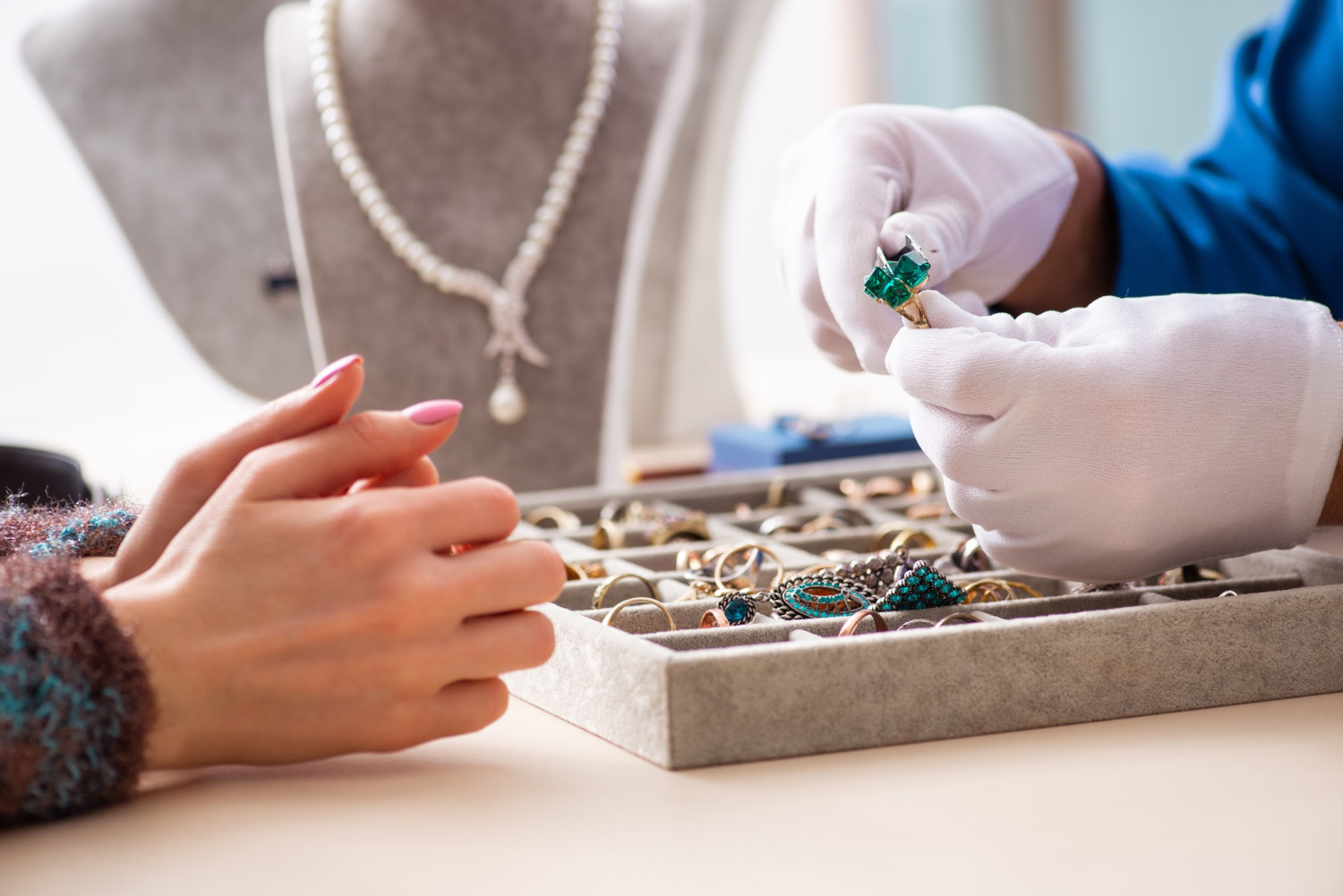
If you are still unsure, take your jewelry to a professional. Jewelers who specialize in high-end brands can verify authenticity. Some buyers may also request an authentication certificate, so having one can help you get the best price.
7. Beware of Online Marketplaces
If you are buying or selling online, be extra cautious. Scammers are everywhere, and photos can be deceiving. Always ask for detailed pictures of hallmarks, clasps, and engravings before making a deal.
Final Thoughts
Authenticating before selling Tiffany jewelry is not just about making a sale—it is about protecting yourself and the buyer from fraud. By checking hallmarks, craftsmanship, packaging, and serial numbers, you can confidently prove your piece is genuine. If you are ever in doubt, a professional authentication can give you peace of mind.
So before you part with your Tiffany treasure, take a few extra minutes to verify its authenticity. It might just save you from a costly mistake!