Home Protection Guide Because A Safer Tomorrow Begins Today
“Home is where safety begins, and with every protective step, we ensure a brighter dawn.”
Your home is more than just a structure; it’s a personal haven brimming with comfort, peace, and precious moments. It’s the backdrop to life’s most significant events, where you bask in your achievements and find relief from life’s storms.
While the aesthetic choices, from the color on the walls to the carefully selected furnishings, showcase your unique identity, a deeper layer demands attention – your well-being within those walls.
In other words, the safety of your home begins from the inside first. That said, let’s dive into it and learn how we can keep homes safe and secure.
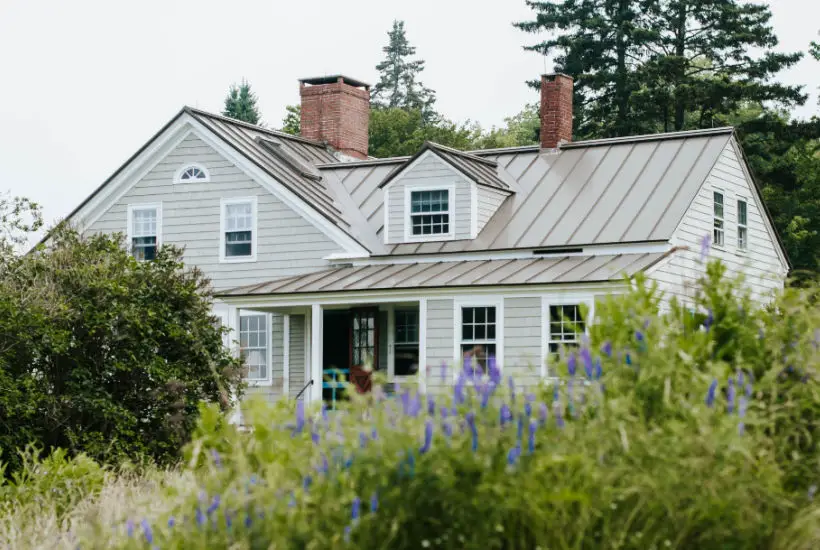
The Necessity of Home Safety for All Generations
Safety isn’t a concern limited to a specific age group; it’s imperative for everyone, from the young and vibrant to the wise and elderly.
For the younger generation, a safe home provides peace of mind and confidence. It’s a place where they can foster a sense of independence and responsibility. Parents often worry about their children’s safety, especially if they’re exploring their surroundings. By making your home safe, you grant your children the freedom to grow and research within a secure environment.
As for the older generation, home safety becomes even more critical. With age, mobility may decrease, and health concerns may arise. A secure home minimizes the risk of accidents and injuries, allowing seniors to age gracefully in a familiar and comforting space.
Balancing Low-Cost Safety with Expensive Changes
Now, if we dig into the practical side of creating a safer home.
Home protection doesn’t have to break the bank; you can implement many cost-effective measures alongside more substantial investments.
Lighting: Adequate lighting is one of the simplest and most effective safety measures. Well-lit pathways, especially stairs and hallways, reduce the risk of tripping and falling. Consider motion-activated lighting for added convenience and energy efficiency.
Non-Slip Flooring: Installing non-slip flooring or using Anti Slip Grip Tape For Stairs can prevent slips and falls, particularly in areas prone to moisture, like bathrooms, staircases, and kitchens. It’s a relatively low-cost measure with significant safety benefits.
Handrails and Grab Bars: Adding handrails along staircases and grab bars in the bathroom can provide much-needed support for all family members. These additions are inexpensive and can make a difference, especially for older adults.
Security Systems: Investing in a robust security system with alarms and surveillance cameras offers both safety and peace of mind. Modern technology allows you to monitor your home remotely, enhancing security for everyone, whether at work or on vacation.
Fire Safety: Don’t neglect fire safety! Install smoke detectors and carbon monoxide alarms throughout your home to prevent fire hazards. Also, regularly check and replace batteries to ensure they function correctly. Having fire extinguishers strategically placed can also be a lifesaver.
While these are just a few examples, the possibilities for enhancing home safety are extensive. Depending on your budget and specific needs, you can choose a combination of measures that suits your situation.
Here are some annual checkup ideas to keep your property a safe place for the future as well.
Safety First with Chimneys
Since fireplaces can be a big reason for house fires, it’s crucial to be safe. So, make sure to get your chimneys checked. You can hire a professional chimney cleaner to look at and clean it for safe fireplaces and wood-burning stoves. Also, always use a good fire screen and keep things that can catch fire, like furniture or curtains, at least 3 feet away from the fireplace.
Maintaining Your HVAC System
Get your HVAC system checked annually by a certified technician. It includes changing the furnace and AC filters to save energy and prevent breakdowns. Moreover, clean the AC’s condenser coils and keep its surroundings clear to ensure efficient functioning. Before winter, cover the AC unit. Proper maintenance will prolong your system’s life and efficiency.
Check Your Water Supply
Finally, if you use a private well, it’s up to you to make sure your water’s safe. Regularly inspect your well for any damage or issues, and have a certified lab test it for nitrate and coliform bacteria. After all, safe water is essential for health.
High Demand for Future Selling Purposes
A safe home is not only beneficial for the family, but it also acts as an investment in your property’s future. Homes with excellent safety features are more appealing to potential buyers and command higher resale values.
Future homeowners prioritize safety, and they are often willing to pay a premium for a property that offers peace of mind. So, while you are taking steps to protect your family today, you are also ensuring the long-term value of your home. Yay! It is a win-win scenario.
The Last Word: Setting the Cornerstone for a Safe Home
As discussed above, safeguarding your homes goes beyond mere locks and alarms; it is also about cultivating a culture of vigilance, awareness, and community. So, let’s commit to prioritizing safety, not just for yourself but your families, neighbors, and future generations. Because, indeed, a safer tomorrow begins today.