The Signs Of A Valuable Property: How To Spot Potential In Your Home
Thinking about putting your home on the market? Just curious about how much you could get if you ever did sell? No matter the reason you’re interested in your property’s potential, you’ve come to the right place to spot it!
Value can hide anywhere in a home. From the kitchen to the bathroom, the master bedroom to the attic, there’s an extra few thousand to put on the sale price. Making sure you look after these areas is key to maximising your return in the long term.
So, how can you determine the value potential around your house? By asking the questions below. It’s not an exhaustive list of how to determine a future sale price, but it covers the most important areas every buyer is going to look into.
What are the Current Trends?
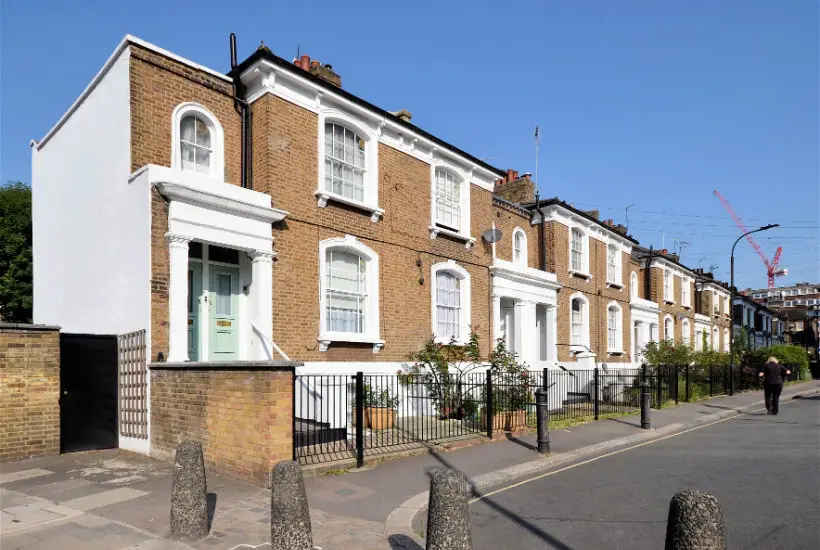
Current trends in the real estate world tell you everything you need to know about what’s considered valuable these days. Even new builds that are built and/or decorated a certain way can add 20%+ extra value this way!
So, what trends are affecting the market when you’re thinking of selling? Do some research and talk to estate agents. If you can, get an expert to walk round your house and see what categories it falls into. The more your house ‘trends’, the higher you can raise that price point.
But remember, decorating for the trends is a good idea, but renovate for the long term. This way your home will never quite fall out of style.
Do You Have 2+ Bedrooms?
The more bedrooms, the more valuable the property. This is the one thing you can say for sure about the real estate market, as it’s the one thing that’s never changed since the invention of buying and selling property.
So, how many bedrooms do you have? Two at the least makes for a fair price point; one bedroom houses tend to be small, and very few buyers are going to be interested in them. Indeed, every additional bedroom on top of the master suite can add at least 15% extra value onto a property.
Is Anything Damaged?
If something in your home is damaged, and you want to sell, you need to fix it as soon as possible. That cracked window that’s been boarded up in the basement? Fit new glass and a new pane. That plaster that’s flaked off in one of the bedrooms? Sand it down and reapply. Do these jobs now for a bigger return later on.
Of course, some people like to buy houses that have imperfections, as it brings the price down and means they can work on it to their heart’s content. However, unless you have a real fixer upper that promises an interesting project, very few buyers are going to put money down.
Have Your Neighbours Sold Recently?
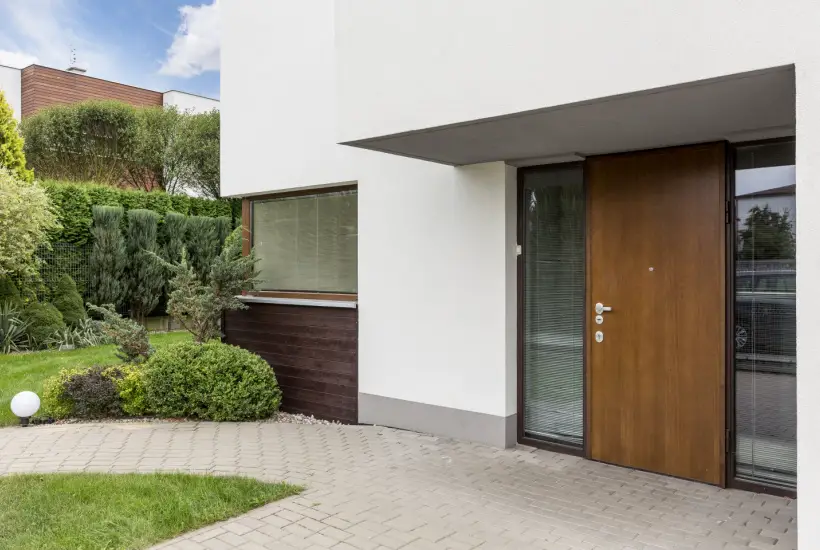
If they have, it’s good news for you! Especially if you want to sell your property fairly soon. A sale next door, or a few sales on the street, mean the area has some targeted demand. People want to move here and are doing so, and if you put your house on the market, it has a chance of being snapped up pretty quickly.
Check to see how much the house next door went for. You’re aiming for the same kind of price; you don’t want to go too low or high above it. The former could mean you’re missing out, the latter could slow down the selling process by a good few months.
Have You Recently Renovated?
If you have, it’s a good sign! Yes, you’ve got a lot of mess to clear up and you need to settle into the new room. But with a renovation, you add a sense of modernisation and convenience to the property. That’s always going to add value, as long as the project itself wasn’t incredibly niche.
But we’re banking on a new kitchen or a loft conversion here, so that’s something you don’t have to worry about! Both of these renovations are big money earners, even when you’re not selling or renting the place out, as the value of the work itself is only going to increase.
A valuable property has quite a few positive signs about it. Make sure you keep the points above in mind; do they apply to your home? Make a checklist and have a quick whip round. The more signs you see, the higher that price point could one day become!